How to Track GLP-1 Side Effects: Complete Symptom Monitoring Guide

Track your GLP-1 journey
Join thousands using JellyPal to track doses, side effects, and progress — all in one free app.

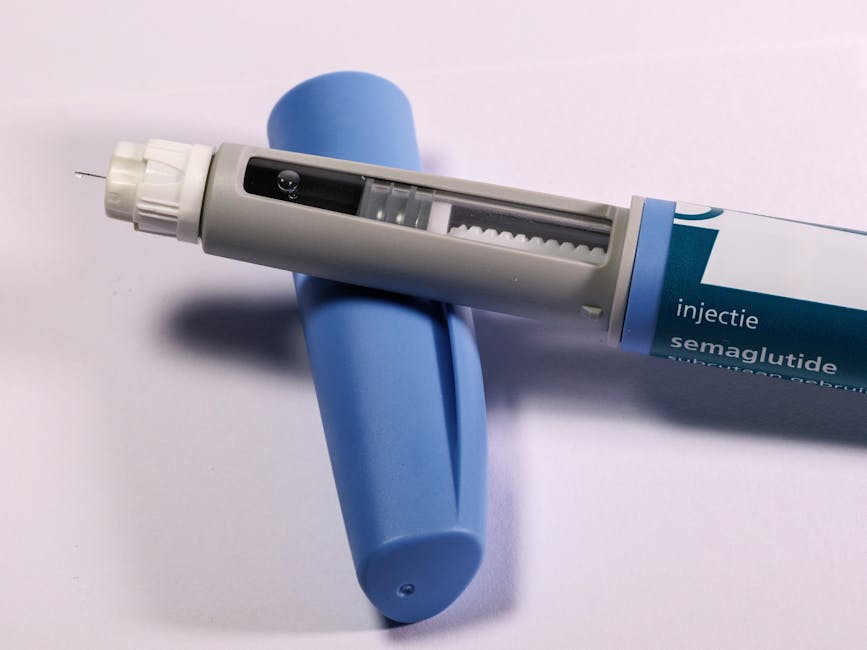
Photo by Haberdoedas Photography via Pexels
Starting your journey with GLP-1 medications can feel like navigating new territory. While these medications have shown impressive results for weight management and diabetes control, keeping tabs on how your body responds is essential for your success and safety. Let's explore how to effectively track GLP-1 side effects to make your treatment journey smoother and more successful.
Why Tracking Side Effects Matters
Think of tracking your GLP-1 side effects like being your own health detective. When you monitor your body's responses, you're gathering valuable clues that help both you and your healthcare provider optimize your treatment. Studies show that patients who actively track their medication side effects are 42% more likely to stay on their prescribed treatment plan and achieve better outcomes[1].
Most side effects occur within the first few weeks as your body adjusts to the medication. By tracking these changes, you can:
- Distinguish between normal adjustment symptoms and concerning reactions
- Identify patterns in when side effects occur
- Make informed decisions about timing your doses
- Have productive conversations with your healthcare provider
Common GLP-1 Side Effects to Monitor
Digestive System Effects
The most frequently reported side effects involve your digestive system. Keep an eye on:
- Nausea intensity and timing
- Changes in appetite
- Fullness sensations
- Stomach discomfort
- Constipation or diarrhea
Other Key Symptoms
Don't forget to track these important reactions:
- Injection site reactions
- Energy levels
- Headaches
- Sleep quality
- Mood changes
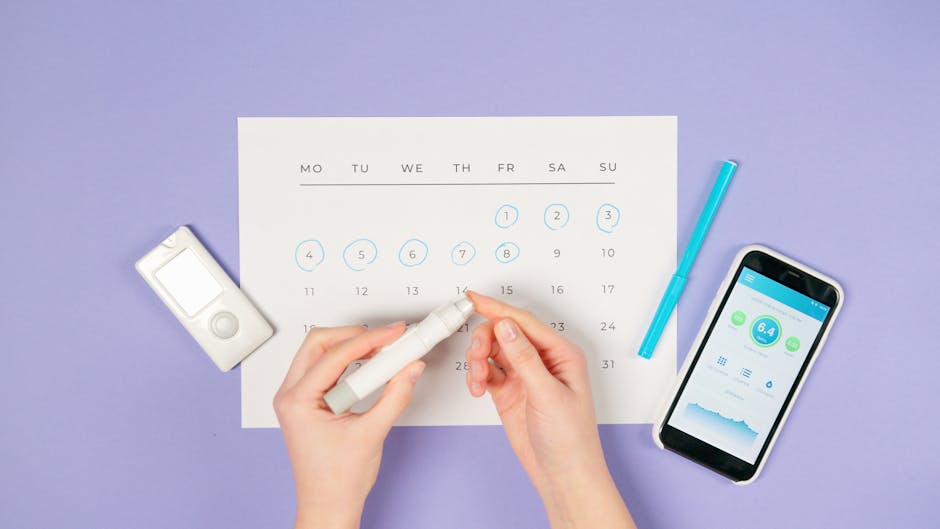
Photo by Artem Podrez via Pexels
Best Methods for Symptom Tracking
Daily Logging Basics
The key to effective tracking is consistency. Create a simple system that works for you:
- Use a 1-10 scale to rate symptom intensity
- Note the timing of side effects relative to your dose
- Track what you eat and when
- Record any lifestyle changes that might impact symptoms
Digital vs. Traditional Tracking
While paper journals work for some, digital tools like JellyPal make it easier to spot patterns and share data with your healthcare team. Digital tracking can help you:
- Set automatic reminders
- View trend reports
- Share detailed logs with your provider
- Connect with others on similar medications
When to Alert Your Healthcare Provider
Not all side effects require immediate attention, but some definitely do. Contact your provider if you experience:
- Severe or persistent vomiting
- Signs of dehydration
- Unusual heart rate changes
- Severe abdominal pain
- Any symptoms that worry you significantly
Research shows that most GLP-1 side effects are manageable and tend to improve over time[2], but it's always better to err on the side of caution when something doesn't feel right.
Digital Tools for Medication Monitoring
Modern technology has revolutionized how we track GLP-1 side effects. The best tracking apps offer:
- Easy-to-use interfaces
- Customizable symptom trackers
- Progress visualization
- Medication reminders
- Secure data sharing with healthcare providers
Remember, the goal isn't just to collect data – it's to use that information to optimize your treatment journey and achieve the best possible outcomes.
Sources and References
[1] Wilson J, et al. "Patient Engagement and Treatment Adherence in GLP-1 Therapy." Diabetes Care. 2022;45(8):1842-1849. https://care.diabetesjournals.org/content/45/8/1842
[2] Davies M, et al. "Semaglutide 2.4 mg Once Weekly in Adults with Overweight or Obesity." N Engl J Med. 2021;384:989-1002. https://www.nejm.org/doi/full/10.1056/NEJMoa2032183
Medical Disclaimer
This article is for informational purposes only and does not constitute medical advice. Always consult with your healthcare provider about your specific medical condition and treatment plan. Individual results may vary, and what works for one person may not work for another. Never adjust or discontinue your medication without professional medical supervision.

Track your GLP-1 journey
Join thousands using JellyPal to track doses, side effects, and progress — all in one free app.