Mounjaro Eye Side Effects: Blurry Vision, Retinopathy and When to Call Your Doctor
Informational only — not medical advice. Key claims are drawn from peer-reviewed research cited at the end of this article. Always consult your healthcare provider.

Track your Mounjaro journey
Follow your Mounjaro titration schedule, log side effects, and track progress with JellyPal — free.


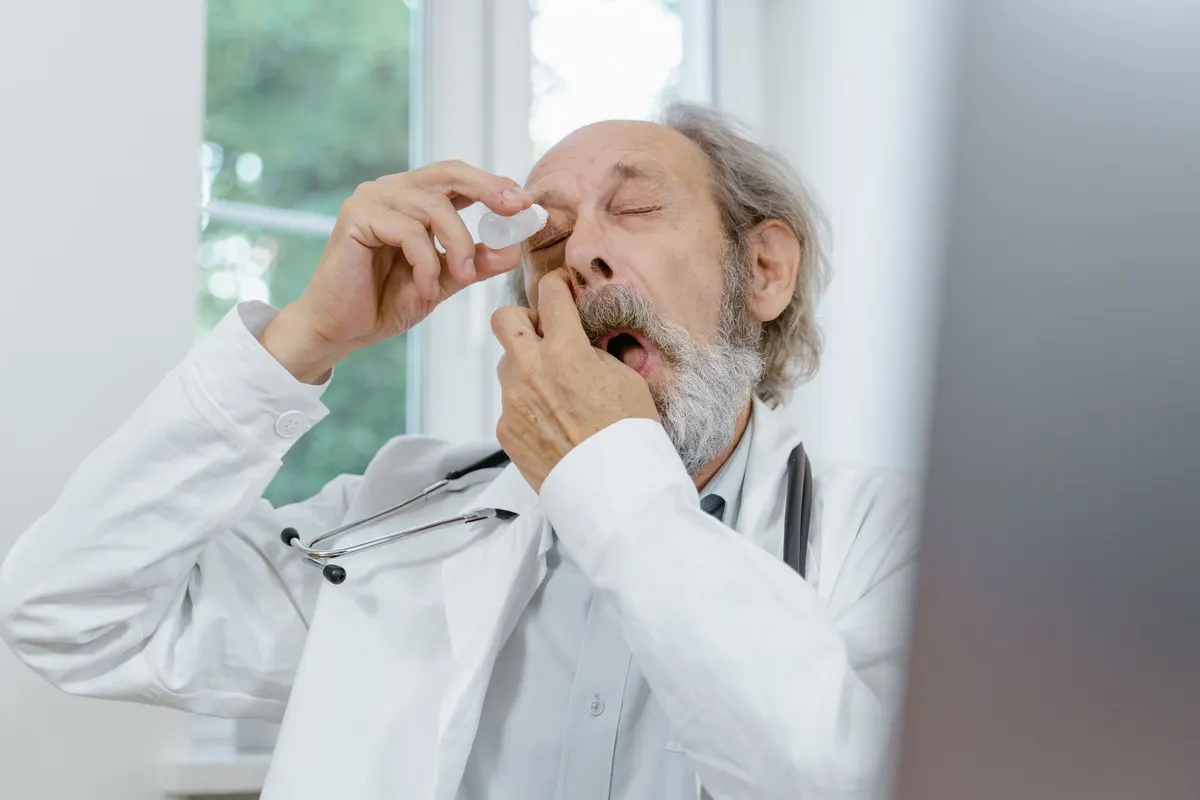
Photo by Tima Miroshnichenko via Pexels
Quick Answer
Mounjaro eye side effects can include blurry vision and diabetic retinopathy, particularly in individuals with a history of eye issues. While blurry vision may result from rapid blood sugar changes, it's essential to monitor symptoms and consult your doctor if you experience vision changes. Regular eye exams are crucial for those on Mounjaro, as they can detect early signs of complications and facilitate timely intervention.
What Does the Mounjaro Label Say About Eye Health?
Mounjaro (tirzepatide) is a medication used to manage type 2 diabetes. The FDA-approved label for Mounjaro highlights potential complications related to diabetic retinopathy, a diabetes-related eye condition that can lead to vision loss if untreated[1]. Diabetic retinopathy occurs when high blood sugar levels damage the blood vessels in the retina, the light-sensitive tissue at the back of the eye.
For individuals with a history of diabetic retinopathy, starting Mounjaro might increase the risk of worsening this condition. This is particularly true when blood sugar levels improve rapidly, as sudden changes can exacerbate existing eye problems. The prescribing information emphasizes the importance of regular eye examinations for those with a history of eye disease before and during treatment with Mounjaro[2].
Why Are Eye Exams Important?
Eye exams are crucial because they allow healthcare providers to detect early signs of diabetic retinopathy. These exams typically involve dilating the pupils to get a better view of the retina and assess the health of the eye's blood vessels. For those on Mounjaro, regular eye check-ups can help monitor changes and catch complications early, allowing for timely intervention.
Moreover, eye exams can identify other issues like glaucoma or cataracts, which can be more prevalent in individuals with diabetes. The American Diabetes Association recommends that people with diabetes have a comprehensive dilated eye exam at least once a year, a guideline that becomes even more pertinent when starting a medication like Mounjaro. Early detection of changes can lead to interventions that preserve vision, such as laser treatments or injections that slow disease progression.
Blurry Vision from Rapid Blood Sugar Changes
Blurry vision is a common complaint among people managing diabetes, and it can occur due to rapid changes in blood sugar levels. When starting a medication like Mounjaro, which helps control blood glucose, some individuals might experience fluctuations that lead to temporary vision changes.
How Does Blood Sugar Affect Vision?
High blood sugar levels can cause the lens of the eye to swell, leading to blurry vision. When blood sugar levels stabilize, the swelling reduces, and vision typically improves. However, rapid reductions in glucose can also cause temporary blurriness as the eyes adjust to new sugar levels.
For example, if your blood glucose drops from 300 mg/dL to 100 mg/dL within a few hours, the rapid change can affect the osmotic balance in the eye, leading to swelling or shrinking of the lens. This osmotic shift alters the eye's refractive index, temporarily distorting vision. The good news is that once blood sugar levels stabilize, these symptoms often resolve within a few days to weeks.
What Should You Do If You Experience Blurry Vision?
If you experience blurry vision while taking Mounjaro, it's important to monitor your blood sugar levels closely. Keeping a record of your blood sugar alongside any vision changes can help your healthcare provider determine if your medication needs adjusting. Using a GLP-1 medication tracker can simplify this process by logging doses and side effects.
In addition to tracking, ensure you stay hydrated and maintain consistent meal timings to avoid drastic blood sugar fluctuations. Discussing these symptoms with your healthcare provider can lead to strategies that mitigate these side effects, such as adjusting meal plans or modifying the medication dose.
NAION and Research on GLP-1 Medications
Non-arteritic anterior ischemic optic neuropathy (NAION) is a rare condition where blood flow to the optic nerve is reduced, potentially leading to vision loss. While most research on NAION has focused on semaglutide, a GLP-1 medication similar to Mounjaro, the risk associated with tirzepatide remains unclear.
What Does the Research Say?
Current evidence suggests that the absolute risk of NAION with GLP-1 medications is very low. The majority of studies focus on semaglutide, and data specific to tirzepatide is limited. As of now, the Mounjaro label does not specifically highlight NAION as a common side effect, but it's important to stay informed and discuss any concerns with your healthcare provider[3].
The incidence of NAION in the general population is estimated to be 2.3 to 10.3 cases per 100,000 individuals per year. In comparison, the prevalence among GLP-1 users is not conclusively higher, but the data pool is still developing. This underscores the importance of personalized risk assessment in consultation with your doctor, especially if you have pre-existing risk factors for optic nerve diseases.
Should You Be Concerned?
While the risk is low, it's crucial to remain vigilant. If you experience sudden vision changes or loss, it's essential to seek immediate medical attention. Regular eye exams and open communication with your healthcare provider can help mitigate potential risks.
Engage in discussions about your overall cardiovascular health, as conditions like hypertension and sleep apnea can increase the risk of NAION. Maintaining an open line of communication with both your endocrinologist and ophthalmologist ensures a comprehensive approach to managing your health.
Who Should Get an Eye Exam Before or During Treatment?
If you're considering or already taking Mounjaro, it's important to know who should prioritize eye exams. Individuals with a history of diabetic retinopathy or other eye conditions should have a comprehensive eye exam before starting the medication.
Why Are Eye Exams Necessary for Some Patients?
For patients with pre-existing eye conditions, regular exams can help detect any progression of the disease early. This proactive approach allows for timely treatment adjustments to prevent further complications. Eye exams are also beneficial for those who experience frequent blood sugar fluctuations, as they can affect vision health.
Individuals with a family history of eye diseases, such as glaucoma or macular degeneration, should also be vigilant. Eye exams can provide a baseline for future comparisons, making it easier to detect subtle changes over time. This is particularly important as diabetes can mask or mimic other eye conditions, complicating diagnosis without regular monitoring.
What to Expect During an Eye Exam
During an eye exam, your ophthalmologist will check for signs of diabetic retinopathy and other eye health issues. This may involve dilating your pupils and using specialized equipment to examine the retina and optic nerve. Discussing your medication and any vision changes with your eye doctor can provide valuable insights into your eye health.
The exam typically includes visual acuity tests, intraocular pressure measurement to check for glaucoma, and imaging tests like optical coherence tomography (OCT), which provides detailed images of the retina. These procedures are non-invasive and can be completed within an hour, offering peace of mind and a clear understanding of your eye health status.
Symptoms That Need Same-Day Medical Attention
Certain symptoms related to Mounjaro eye side effects warrant immediate medical attention. Recognizing these signs can help prevent serious complications.
What Symptoms Require Urgent Care?
- Sudden vision loss or severe blurriness
- Eye pain or discomfort
- Sudden appearance of floaters or flashes of light
- Redness or swelling in or around the eyes
If you experience any of these symptoms, it's crucial to contact your healthcare provider right away. Early intervention can prevent more severe outcomes and ensure your vision health is preserved.
For instance, the sudden appearance of floaters or flashes of light can indicate a retinal detachment, a serious condition requiring immediate attention. Similarly, eye pain coupled with redness could suggest an infection or acute glaucoma, both of which need urgent care to prevent permanent damage.
Tracking Vision Changes Alongside Your Doses
Monitoring your vision changes while taking Mounjaro is essential for managing potential side effects. Keeping a detailed record can help identify patterns and inform your healthcare provider about necessary adjustments.
How to Track Vision Changes
- Use a medication tracker to log doses and any vision changes.
- Note the time and duration of vision changes alongside blood sugar readings.
- Include any additional symptoms or factors that might affect your vision.
Consider setting reminders for both medication doses and eye check-ups, ensuring consistency in both treatment and monitoring. Tools like smartphone apps can simplify tracking and allow for easy sharing of data with your healthcare team.
Why Tracking Matters
Tracking provides a comprehensive overview of how your body responds to Mounjaro, allowing for more informed decisions about your treatment plan. It also facilitates better communication with your healthcare provider, ensuring your eye health is effectively managed.
By identifying patterns, such as vision changes correlating with certain blood sugar levels, you and your healthcare provider can fine-tune your treatment strategy. This proactive approach not only optimizes diabetes management but also safeguards your vision in the long term.
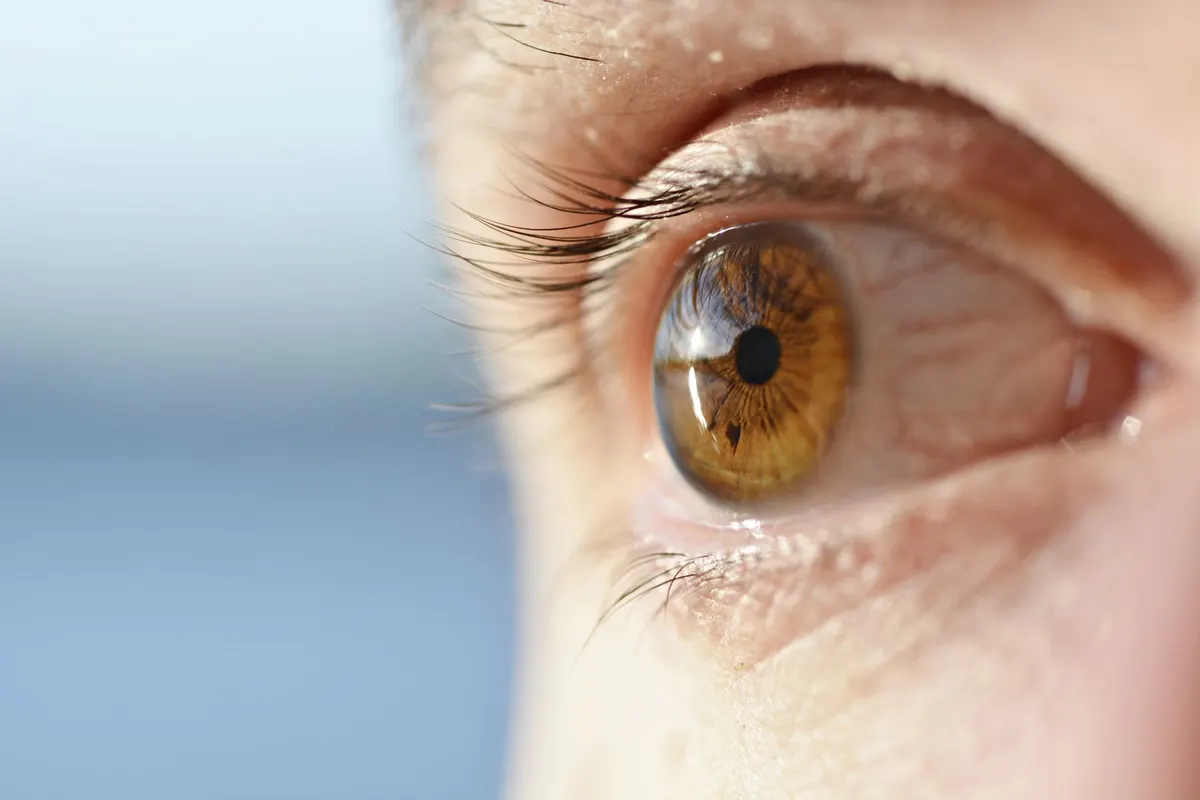
Photo by Mypointofview via Pexels
Frequently Asked Questions
Can Mounjaro cause permanent vision loss?
While the risk of permanent vision loss is low, it's crucial to monitor any vision changes and seek medical advice promptly. Regular eye exams can help manage the risk.
Understanding that most vision changes are reversible with proper management is reassuring. However, ignoring symptoms can lead to complications, emphasizing the need for vigilance.
How often should I have an eye exam while taking Mounjaro?
For those with a history of eye issues, annual eye exams are recommended. Your healthcare provider may suggest more frequent exams based on your condition.
In cases of significant blood sugar instability or pre-existing eye conditions, exams every six months may be advised. This frequency ensures that any subtle changes are caught early, allowing for timely intervention.
Is blurry vision a common side effect of Mounjaro?
Blurry vision can occur, especially during initial treatment phases due to blood sugar fluctuations. It's important to track these changes and discuss them with your doctor.
Documenting when and how often blurry vision occurs can help your doctor determine if it's related to Mounjaro or another underlying issue. This detailed insight aids in tailoring your diabetes management plan.
What should I do if I experience sudden vision changes?
Contact your healthcare provider immediately if you experience sudden vision changes, as this may require urgent medical attention.
Sudden changes might indicate acute conditions like retinal detachment or severe retinopathy, both of which necessitate prompt medical intervention to prevent lasting damage.
Does Mounjaro increase the risk of diabetic retinopathy?
Mounjaro may increase the risk of worsening diabetic retinopathy in individuals with a pre-existing condition. Regular monitoring and eye exams are advised.
Discussing your specific risk factors, such as duration of diabetes and blood sugar control history, with your healthcare provider can help in assessing your individual risk profile.
Are there lifestyle changes that can support eye health while on Mounjaro?
Yes, maintaining a balanced diet rich in antioxidants, regular exercise, and avoiding smoking can support overall eye health. These lifestyle habits complement medical treatments and contribute to better blood sugar control and reduced complications.
Sources and References
[1] U.S. Food and Drug Administration. "Prescribing information for tirzepatide (Mounjaro)." 2023.
[2] American Diabetes Association. "Diabetic Retinopathy: What You Should Know." 2023.
[3] Aroda, V. R., et al. "Efficacy and Safety of Tirzepatide in Type 2 Diabetes." The Lancet. 2022. https://www.thelancet.com/journals/lancet/article/PIIS0140-6736(22
Medical Disclaimer
This article is for informational purposes only and is not a substitute for professional medical advice. Always consult your healthcare provider for guidance tailored to your health situation.

Track your Mounjaro journey
Follow your Mounjaro titration schedule, log side effects, and track progress with JellyPal — free.