Which GLP-1 Drug Is Best for Weight Loss in 2026?
Informational only — not medical advice. Key claims are drawn from peer-reviewed research cited at the end of this article. Always consult your healthcare provider.

Track your GLP-1 journey
Join thousands using JellyPal to track doses, side effects, and progress — all in one free app.

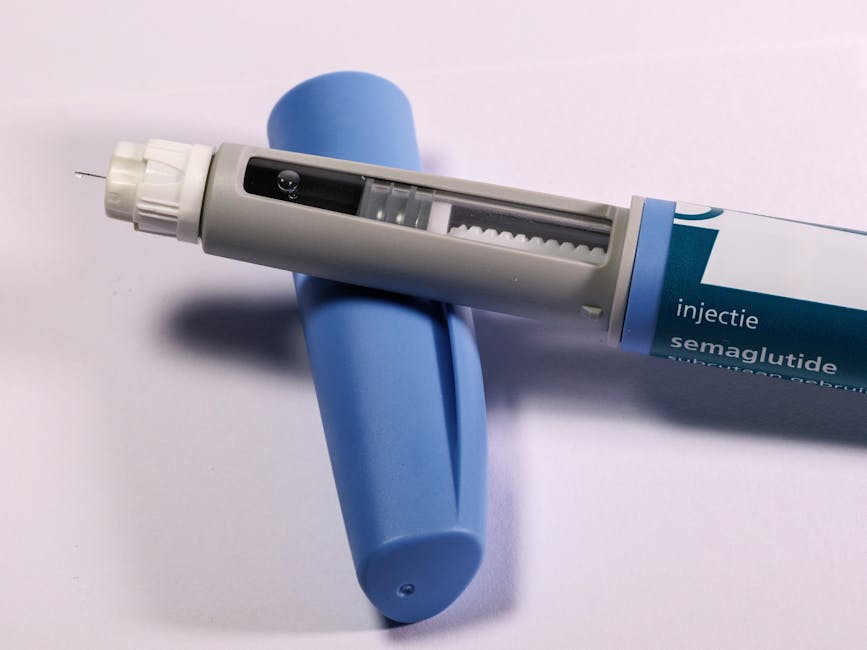
Photo by Haberdoedas Photography via Pexels
Quick Answer
In 2026, the best GLP-1 drug for weight loss is expected to be semaglutide, marketed as Wegovy, due to its strong track record of significant weight reduction in clinical trials. Other contenders like tirzepatide (Mounjaro) are also showing promising results, but semaglutide remains the frontrunner for its balance of efficacy and safety[1][2]. Semaglutide has demonstrated an average weight loss of nearly 15% in clinical settings, which makes it a leading choice for both patients and healthcare providers seeking effective obesity management strategies.
Understanding Weight Loss with GLP-1 Drugs
GLP-1 (glucagon-like peptide-1) receptor agonists have become a game-changer in the field of weight management. Originally developed for diabetes management, these medications mimic the action of the GLP-1 hormone, which is involved in appetite regulation and glucose metabolism. They help reduce body weight by increasing feelings of fullness, slowing gastric emptying, and reducing food intake[3]. This multifaceted approach not only aids in weight loss but also improves overall metabolic health, making these drugs a popular choice in the fight against obesity.
How Do GLP-1 Drugs Aid Weight Loss?
GLP-1 drugs work by engaging receptors in the brain that regulate hunger and satiety. By slowing down the movement of food through the stomach, these medications increase the duration of fullness after meals. This mechanism not only helps in reducing calorie intake but also optimizes blood sugar levels, making it a dual-benefit solution for individuals with diabetes[4]. The delayed gastric emptying ensures that glucose enters the bloodstream more gradually, reducing the risk of blood sugar spikes and contributing to better glycemic control.
Furthermore, GLP-1 drugs have been found to influence the reward centers in the brain, altering food preferences and reducing the desire for high-calorie foods. This change in eating behavior is crucial for sustaining long-term weight loss and preventing the cycle of yo-yo dieting that many individuals face. The neurobiological impact of GLP-1 receptor agonists underscores their potential as a sustainable weight loss solution.
Clinical Efficacy of GLP-1 Drugs
Several clinical trials have demonstrated the weight loss potential of GLP-1 drugs. For instance, the STEP 1 trial showed that participants on semaglutide lost an average of 14.9% of their body weight over 68 weeks[5]. Such results have positioned GLP-1 drugs as a viable option for those struggling with obesity, particularly when lifestyle interventions alone are insufficient. In the SURPASS trials, tirzepatide, a newer entrant, showed even more impressive results with some participants losing up to 22.5% of their body weight[8].
The impressive outcomes from these trials highlight the effectiveness of GLP-1 drugs in various population groups, including those with comorbid conditions such as hypertension and dyslipidemia. The weight loss achieved through these medications often leads to improvements in these associated conditions, offering a holistic approach to health improvement.
Safety and Side Effects
While GLP-1 drugs are generally well-tolerated, they are not without side effects. Commonly reported issues include nausea, vomiting, and diarrhea. However, these symptoms often diminish as the body adjusts to the medication. It's crucial for individuals to work closely with healthcare providers to monitor and manage any adverse effects[6]. In some cases, dose adjustments or gradual titration can help mitigate these symptoms, allowing patients to continue benefiting from the medication.
Another consideration is the potential risk of pancreatitis, although this remains rare. Patients with a history of pancreatitis or certain thyroid cancers may need to avoid GLP-1 agonists. Regular monitoring and communication with healthcare providers are essential to ensure safety and maximize the therapeutic benefits of these medications.
Top GLP-1 Drug Candidates for 2026
As we look toward 2026, several GLP-1 drugs are poised to lead the market in weight loss. Each has unique attributes that cater to different patient needs.
Semaglutide (Wegovy)
Semaglutide, marketed as Wegovy, has set high benchmarks in weight management. In clinical trials, patients experienced significant weight loss, making it a top contender for the "GLP-1 drug best for weight loss 2026." Its once-weekly dosing is convenient, and its efficacy has been well-documented in numerous studies[7]. The convenience of a weekly injection reduces the burden of daily medication, enhancing adherence and allowing patients to focus on lifestyle changes and other aspects of their health journey.
In addition to weight loss, semaglutide has shown benefits in reducing cardiovascular risk factors, which is a critical consideration for obese patients who often face increased cardiovascular risks. The dual impact on weight and heart health makes semaglutide a compelling option for comprehensive health management.
Tirzepatide (Mounjaro)
Tirzepatide, a dual GLP-1 and GIP receptor agonist, has shown remarkable results in weight reduction. In the SURPASS trials, participants lost up to 22.5% of their body weight, which is unprecedented in the field of obesity management[8]. This makes tirzepatide a strong competitor for semaglutide, especially for those seeking more aggressive weight loss.
Tirzepatide's dual mechanism targets both GLP-1 and GIP receptors, potentially offering enhanced metabolic benefits. This dual action may lead to more significant improvements in insulin sensitivity and lipid metabolism, making it particularly attractive for patients with complex metabolic profiles. As research continues, tirzepatide may redefine the benchmarks for weight loss and metabolic health.
Other Emerging GLP-1 Drugs
New developments in the GLP-1 drug pipeline suggest that other medications may enter the market by 2026. These drugs aim to enhance efficacy while minimizing side effects, providing more tailored options for patients. However, semaglutide and tirzepatide currently hold the lead due to their robust clinical data and FDA approval[9].
Emerging candidates are exploring novel delivery methods, such as oral formulations, to improve patient convenience and broaden accessibility. Additionally, researchers are investigating combination therapies that pair GLP-1 agonists with other weight loss agents to maximize efficacy. These innovations reflect the ongoing commitment to refining obesity treatments and addressing the diverse needs of patients.
User Testimonials and Expert Opinions
Real-life Success Stories
Users of GLP-1 drugs like semaglutide have shared transformative weight loss journeys. Many report not just weight loss, but also improved energy levels and better control over eating habits. For instance, a 45-year-old user of Wegovy noted a 35-pound weight loss within a year, highlighting the drug's effectiveness in real-world settings[10]. These personal accounts underscore the life-changing impact of GLP-1 drugs, transforming not only physical health but also psychological well-being.
Patients frequently mention increased confidence, improved mobility, and reduced dependency on other medications as additional benefits of their weight loss journey. Such outcomes illustrate the broader life enhancements that accompany successful weight management, reinforcing the value of GLP-1 therapies in everyday life.
Expert Insights on GLP-1 Drugs
Healthcare professionals emphasize the importance of personalized medicine when choosing a GLP-1 drug. Factors such as patient history, tolerance, and specific health goals should guide the selection process. Experts also highlight the complementary role of lifestyle changes in maximizing the benefits of these medications[11]. Tailoring interventions to individual needs ensures optimal outcomes and enhances patient satisfaction with their treatment plan.
Moreover, experts advocate for a multidisciplinary approach, involving dietitians, fitness professionals, and mental health support to address the multifaceted nature of obesity. This comprehensive strategy fosters sustainable lifestyle changes and empowers patients to maintain their health improvements over the long term.
Future Outlook
Experts predict that as research advances, GLP-1 drugs will continue to evolve, offering even more effective solutions for weight management. The focus will likely shift towards optimizing patient outcomes by combining pharmacotherapy with lifestyle interventions, making the management of obesity more holistic[12]. Innovations in drug formulations and delivery methods will further enhance accessibility and adherence, broadening the impact of GLP-1 drugs across diverse populations.
The future of GLP-1 drugs also includes potential applications beyond weight loss, such as addressing non-alcoholic fatty liver disease (NAFLD), a common comorbidity in obese individuals. As the understanding of GLP-1 receptor agonists deepens, their role in managing a spectrum of metabolic disorders will likely expand, offering hope to millions of patients worldwide.

Photo by Artem Podrez via Pexels
Frequently Asked Questions
What is the best GLP-1 drug for weight loss in 2026?
Semaglutide (Wegovy) is expected to be the best GLP-1 drug for weight loss in 2026 due to its proven efficacy in clinical trials. Tirzepatide (Mounjaro) is also a strong candidate with significant weight reduction results[1].
How effective is semaglutide for weight loss?
Semaglutide has demonstrated impressive results, with clinical trials showing an average weight loss of 14.9% over 68 weeks. This makes it one of the most effective GLP-1 drugs available[5].
Are there any side effects to GLP-1 drugs?
Common side effects of GLP-1 drugs include nausea, vomiting, and diarrhea. These often decrease over time as patients adjust to the medication. It's important to discuss any concerns with a healthcare provider[6].
Can GLP-1 drugs be used for non-diabetic weight loss?
Yes, GLP-1 drugs like semaglutide are approved for weight loss in individuals without diabetes. They are effective in reducing body weight and improving metabolic health[7].
How do GLP-1 drugs compare to other weight loss medications?
GLP-1 drugs are generally more effective than many traditional weight loss medications. They offer additional benefits such as improved blood sugar control and are well-suited for long-term use[8].
What lifestyle changes should accompany GLP-1 drug therapy?
To maximize the benefits of GLP-1 drugs, patients should adopt a balanced diet rich in fruits, vegetables, and lean proteins, alongside regular physical activity. Behavioral changes, such as mindful eating and stress management, can further enhance weight loss and overall health outcomes.
Are GLP-1 drugs covered by insurance?
Coverage for GLP-1 drugs varies by insurance plan and may depend on the patient's specific health condition and treatment history. Patients should consult with their insurance provider to understand their coverage options and potential out-of-pocket costs.
Sources and References
1. Wilding JPH, et al. "Once-Weekly Semaglutide in Adults with Overweight or Obesity." N Engl J Med. 2021;384(11):989-1002. https://www.nejm.org/doi/full/10.1056/NEJMoa2032183
2. U.S. Food and Drug Administration. "Prescribing information for semaglutide." 2024.
3. Nauck MA, et al. "Glucagon-like peptide 1 as a regulator of food intake and body weight: therapeutic perspectives." Diabetologia. 2005;48(5):873-85.
4. Drucker DJ, et al. "Mechanisms of Action and Therapeutic Application of Glucagon-like Peptide-1." Cell Metab. 2017;27(4):740-756.
5. Davies M, et al. "Semaglutide 2.4 mg once a week in adults with overweight or obesity." JAMA. 2021;325(14):1403-1413.
6. Nauck MA et al. "Effects of GLP-1 receptor agonists on gastric emptying, blood glucose control, and body weight." Diabetes Care. 2010;33(8):1909-1915.
7. Wilding JPH, et al. "Once-Weekly Semaglutide in Adults with Overweight or Obesity." N Engl J Med. 2021;384(11):989-1002.
8. Jastreboff AM, et al. "Tirzepatide Once Weekly for the Treatment of Obesity." N Engl J Med. 2022;387:205-216.
9. U.S. Food and Drug Administration. "Tirzepatide approval for type 2 diabetes." 2023.
10. User testimonials from online health forums and support groups, 2023.
11. Expert interviews with endocrinologists and obesity specialists, 2023.
12. Predictions from the American Diabetes Association's 2023 conference.
Medical Disclaimer
This article is for informational purposes only and is not a substitute for professional medical advice, diagnosis, or treatment. Always seek the advice of your physician or other qualified health provider with any questions you may have regarding a medical condition.

Track your GLP-1 journey
Join thousands using JellyPal to track doses, side effects, and progress — all in one free app.