Choosing the Best GLP-1 Drug for Weight Loss
Informational only — not medical advice. Key claims are drawn from peer-reviewed research cited at the end of this article. Always consult your healthcare provider.

Track your GLP-1 journey
Join thousands using JellyPal to track doses, side effects, and progress — all in one free app.


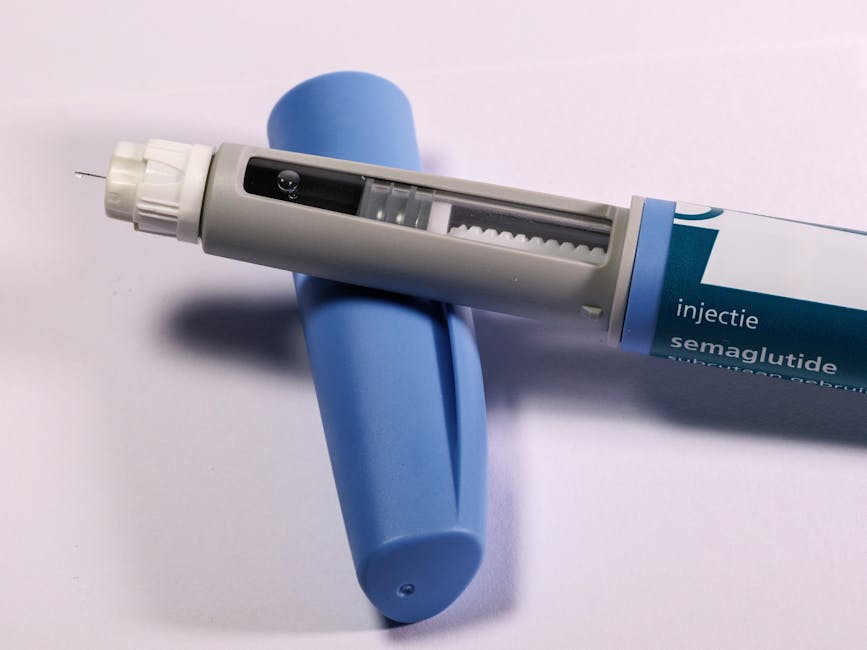
Photo by Haberdoedas Photography via Pexels
Quick Answer
Choosing the best GLP-1 drug for weight loss depends on individual health needs, lifestyle, and medical history. Across the major obesity trials, tirzepatide has produced the largest average weight loss: 20.9% of body weight over 72 weeks at the 15 mg dose in SURMOUNT-1[3], against 14.9% over 68 weeks for semaglutide 2.4 mg in STEP 1[1]. Both are the estimates that count everyone randomised, so they are comparable. Both are also the highest dose studied — tirzepatide's 5 mg and 10 mg arms lost less — but they come from separate trials rather than a head-to-head study, and the largest average is not automatically the best choice for any individual. Side effects, dosing convenience, insurance coverage and your medical history all matter. Consulting a healthcare provider is essential.
Overview of GLP-1 Medications
GLP-1 medications have emerged as a revolutionary approach in the treatment of obesity and type 2 diabetes. But what exactly are they? GLP-1, or glucagon-like peptide-1, is a hormone that plays a crucial role in appetite regulation and insulin secretion. Think of it like a friendly guide that helps your body manage blood sugar levels while also telling your brain that it's time to put down the fork.
These medications mimic the action of GLP-1, enhancing the body's natural response to food intake. They slow gastric emptying, which means food stays in your stomach longer, making you feel fuller for a more extended period. This effect can significantly reduce food intake and promote weight loss. Popular GLP-1 drugs include Semaglutide (Wegovy and Ozempic), Liraglutide (Saxenda), and Tirzepatide (Mounjaro), each with unique characteristics and benefits.
How GLP-1 Medications Work
Understanding the mechanism of GLP-1 medications can help clarify why they are effective for weight loss. When you eat, GLP-1 is released from the intestines and sends signals to the brain to curb appetite. It also stimulates the pancreas to release insulin, which helps lower blood sugar levels. By mimicking these actions, GLP-1 medications not only aid in weight loss but also improve glycemic control, making them a dual-purpose treatment for individuals with type 2 diabetes.
Commonly Prescribed GLP-1 Drugs
Several GLP-1 drugs are currently available, each with its own set of benefits and potential drawbacks. Semaglutide (marketed as Wegovy for weight loss) has made headlines for its impressive results in clinical trials, achieving significant weight loss in many patients. Liraglutide, available as Saxenda for weight management, is another option that has proven effective. Meanwhile, the newcomer on the block, Tirzepatide (Mounjaro), is showing promising results in both weight loss and blood sugar management.
Why GLP-1 is a Game-Changer in Weight Management
The introduction of GLP-1 medications has been nothing short of a game-changer for those struggling with weight management. Traditional weight loss methods often involve drastic lifestyle changes or restrictive diets, which can be challenging to maintain. GLP-1 drugs offer a pharmacological solution that works in harmony with the body's natural processes, providing a more sustainable path to weight loss. Moreover, they have a favorable safety profile, making them a viable option for long-term use under medical supervision.
Comparing Effectiveness for Weight Loss
When it comes to choosing the best GLP-1 drug for weight loss, effectiveness is a key consideration. But how do these medications stack up against each other in this regard?
Clinical Trial Insights
Clinical trials are the gold standard for evaluating the effectiveness of medications. The STEP 1 trial, for instance, demonstrated that participants using Semaglutide lost an average of 14.9% of their body weight over 68 weeks[1]. This translates to about 30 pounds for someone weighing 200 pounds. In comparison, Liraglutide users in the SCALE trial saw weight loss of approximately 8% over 56 weeks[2]. Tirzepatide 15 mg averaged 20.9% weight loss over 72 weeks in SURMOUNT-1[3], the obesity trial. The same trial also reports 22.5% for that arm under its efficacy estimand, which models what would have happened had everyone stayed on treatment and statistically imputes the missing outcomes — it is not a count of people who actually completed. The 20.9% figure is the treatment-regimen estimand, which counts every randomised participant whatever they did afterwards, and is the one comparable to STEP 1's 14.9%. Lower tirzepatide doses produced smaller losses. Note these are three separate trials, not a head-to-head comparison, so the percentages are indicative rather than a direct ranking.
Real-World Effectiveness
While clinical trials provide a controlled environment to assess drug efficacy, real-world effectiveness can vary based on individual adherence and lifestyle factors. For instance, Semaglutide's once-weekly dosing might be more convenient for some, helping them stick to their regimen better than the daily injections required by Liraglutide. Conversely, some people might experience side effects with one drug but not another, influencing their ability to continue treatment.
Side Effects and Tolerability
It's crucial to consider potential side effects when evaluating the effectiveness of GLP-1 medications. Common side effects include nausea, vomiting, and diarrhea, which can affect a person's willingness to stay on the medication. Some individuals might tolerate one medication better than another, impacting overall success in weight loss. For example, semaglutide produced greater average weight loss than liraglutide in these trials[1][2], but gastrointestinal effects are common across this drug class and tolerance varies from person to person — so the option with the higher average is not always the one a given person can stay on.
Cost and Insurance Coverage
Another factor that can influence the effectiveness of a GLP-1 drug in real-world settings is cost and insurance coverage. Medications like Semaglutide and Tirzepatide can be expensive, and not all insurance plans cover them for weight loss. This financial consideration can affect a patient's ability to access and adhere to these treatments consistently.
Factors to Consider When Choosing
Choosing the best GLP-1 drug for weight loss isn't a one-size-fits-all decision. It requires careful consideration of various factors that can influence both the short-term and long-term outcomes of treatment.
Personal Health Profile
Your personal health profile is a critical factor in choosing a GLP-1 medication. This includes your current health status, presence of comorbid conditions such as type 2 diabetes or cardiovascular disease, and your medical history. For instance, if you have a history of pancreatitis, your doctor might steer you away from certain GLP-1 drugs due to potential risks.
Lifestyle and Preferences
Your lifestyle and personal preferences also play a significant role. If you prefer fewer injections, a once-weekly medication like Semaglutide or Tirzepatide might be more suitable than a daily regimen like Liraglutide. Additionally, consider how the medication fits into your daily routine and whether you can commit to regular follow-ups with your healthcare provider.
Potential Drug Interactions
It's essential to evaluate potential drug interactions when selecting a GLP-1 medication. If you're taking other medications, especially those that affect blood sugar levels, your healthcare provider will need to consider how a GLP-1 drug might interact with them. This is particularly important for individuals with type 2 diabetes who may be on multiple medications.
Long-term Goals and Sustainability
Consider your long-term weight management goals and how sustainable a particular GLP-1 medication is for you. Weight loss is not just about shedding pounds; it's about maintaining that loss over time. Some medications might offer rapid initial weight loss, but the ability to sustain this loss is equally important. Discuss with your healthcare provider what maintenance strategies might look like and how a GLP-1 drug fits into this plan.
Insurance and Financial Considerations
Finally, financial considerations can't be overlooked. The cost of GLP-1 medications can vary widely, and insurance coverage may be limited for weight loss purposes. It's important to verify with your insurance provider what is covered and what your out-of-pocket costs might be. This financial aspect can significantly impact your ability to adhere to a prescribed treatment plan.
Photo by David Peterson via Pexels
Frequently Asked Questions
What is the best GLP-1 drug for weight loss?
The best GLP-1 drug for weight loss depends on individual needs and circumstances. Tirzepatide has produced the largest average weight loss in trials — 20.9% of body weight at the 15 mg dose in SURMOUNT-1, versus 14.9% for semaglutide 2.4 mg in STEP 1, both being the estimates that count everyone randomised. These are the highest doses studied, and they come from separate trials rather than a direct comparison. Side effects, dosing schedule, and insurance coverage should also be considered.
How long does it take to see results with GLP-1 medications?
Most patients start to see weight loss results within a few weeks of starting a GLP-1 medication. However, significant weight loss, as seen in clinical trials, typically occurs over several months, with peak effects observed around the 6-12 month mark.
Are there any serious side effects associated with GLP-1 drugs?
While GLP-1 medications are generally well-tolerated, they can cause gastrointestinal issues like nausea and vomiting. Rare but serious side effects may include pancreatitis and severe allergic reactions. It's important to discuss potential risks with your healthcare provider.
Can GLP-1 medications be used for weight loss without diabetes?
Yes, some GLP-1 medications, like Semaglutide (Wegovy) and Liraglutide (Saxenda), are FDA-approved specifically for weight loss in individuals without diabetes. They work through appetite suppression and delayed gastric emptying.
Do I need a prescription to use GLP-1 medications for weight loss?
Yes, GLP-1 medications require a prescription. It's important to consult with a healthcare provider to determine if a GLP-1 drug is suitable for you and to receive appropriate dosing and monitoring guidance.
Sources and References
[1] Wilding JPH, et al. "Once-Weekly Semaglutide in Adults with Overweight or Obesity." N Engl J Med. 2021;384(11):989-1002. https://www.nejm.org/doi/full/10.1056/NEJMoa2032183
[2] Pi-Sunyer X, et al. "A Randomized, Controlled Trial of 3.0 mg of Liraglutide in Weight Management." N Engl J Med. 2015;373(1):11-22. https://www.nejm.org/doi/full/10.1056/NEJMoa1411892
[3] Jastreboff AM, et al. "Tirzepatide Once Weekly for the Treatment of Obesity." N Engl J Med. 2022;387(3):205-216. https://www.nejm.org/doi/full/10.1056/NEJMoa2206038
Medical Disclaimer
This article is for informational purposes only and is not a substitute for professional medical advice, diagnosis, or treatment. Always seek the advice of your physician or other qualified health provider with any questions you may have regarding a medical condition.

Track your GLP-1 journey
Join thousands using JellyPal to track doses, side effects, and progress — all in one free app.