Comparing New and Existing GLP-1 Medications
Informational only — not medical advice. Key claims are drawn from peer-reviewed research cited at the end of this article. Always consult your healthcare provider.

Track your GLP-1 journey
Join thousands using JellyPal to track doses, side effects, and progress — all in one free app.


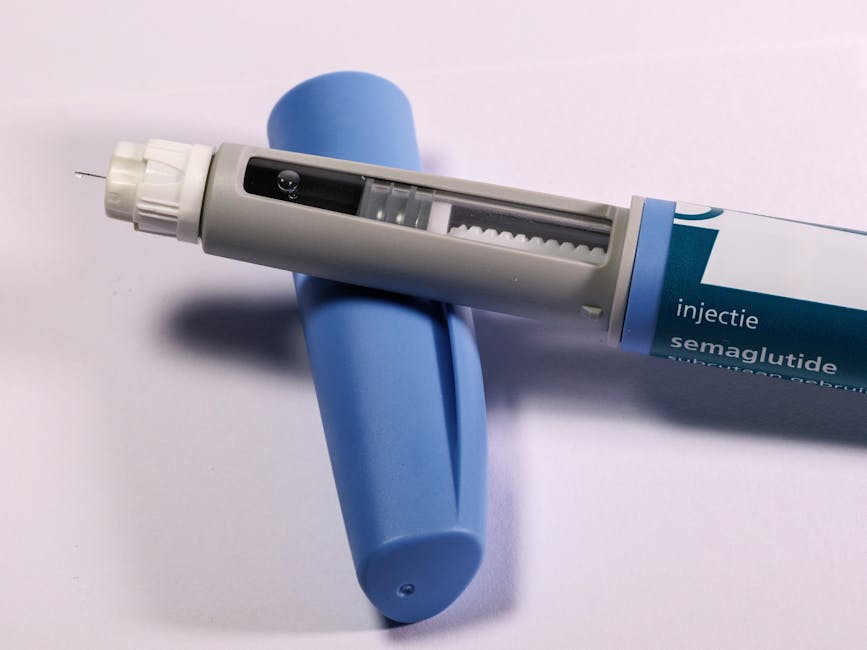
Photo by Haberdoedas Photography via Pexels
Quick Answer
Comparing new and existing GLP-1 medications reveals significant advancements in weight management and diabetes care. Newer options like tirzepatide show enhanced efficacy and broader benefits. Understanding these differences helps tailor treatments to individual needs.
GLP-1 receptor agonists have revolutionized the management of type 2 diabetes and obesity. With new medications entering the market, it's crucial to understand how they compare with existing options. This comprehensive guide will explore the current GLP-1 medications, introduce new contenders, and analyze their effectiveness and safety profiles.
What Are the Current GLP-1 Options on the Market?
GLP-1 receptor agonists work by mimicking the incretin hormone, which increases insulin secretion, slows gastric emptying, and decreases appetite. These effects make them pivotal in managing type 2 diabetes and promoting weight loss. Let's look at the main players currently available.
Semaglutide
Semaglutide, available under brand names like Ozempic and Wegovy, is one of the most prescribed GLP-1 medications. It is administered weekly and has shown remarkable efficacy in both glycemic control and weight management. Clinical trials like the STEP 1 trial reported an average weight loss of 14.9% over 68 weeks[1]. This impressive weight reduction is attributed to semaglutide's strong appetite-suppressing effects and its ability to slow gastric emptying significantly.
Dulaglutide
Dulaglutide, marketed as Trulicity, is another weekly GLP-1 option. It is primarily used for type 2 diabetes management and has demonstrated a significant reduction in HbA1c levels. However, its weight loss effects are generally less pronounced compared to semaglutide, with studies showing around 5-6% weight reduction[2]. Dulaglutide's efficacy in glucose control makes it an appealing choice for patients prioritizing HbA1c reduction over weight loss.
Liraglutide
Liraglutide, known by the brand name Victoza for diabetes and Saxenda for weight loss, is a daily injectable GLP-1. It has been in use for several years and is well-documented for both glucose control and weight reduction, achieving up to 8% weight loss in some studies[3]. Its daily administration can be a drawback for some, but its dual approval for both diabetes and obesity provides flexibility in treatment.
Exenatide
Exenatide is available in two formulations: Byetta (twice daily) and Bydureon (weekly). It was one of the first GLP-1 medications introduced and is effective in glucose regulation. However, its weight loss efficacy is less substantial, often averaging around 3-4%[4]. Exenatide's shorter half-life necessitates more frequent dosing but offers a rapid onset of action, which can be beneficial in certain clinical scenarios.
What Are the New GLP-1 Medications Launching?
The GLP-1 landscape is rapidly evolving with the introduction of new medications promising enhanced benefits. Let's explore these new entrants and what they bring to the table.
Tirzepatide
Tirzepatide, marketed as Mounjaro, is a dual-acting GLP-1 and GIP receptor agonist. This novel mechanism enhances insulin secretion and offers superior weight loss outcomes. In the SURPASS trial, tirzepatide achieved up to 20.9% weight loss at the highest dose of 15 mg[5]. This dual action is a game-changer for both diabetes and obesity treatment, providing a more holistic approach to metabolic health.
Retatrutide
Retatrutide is another promising GLP-1 medication currently under investigation. It is a triple agonist, targeting GLP-1, GIP, and glucagon receptors. Early studies suggest it may surpass existing options in weight loss efficacy, although more data is needed to confirm these results. The inclusion of glucagon receptor activity may enhance energy expenditure, potentially offering additional benefits in weight management.
Cagrilintide
Cagrilintide is an amylin analogue being studied in combination with semaglutide. This combination aims to provide enhanced satiety and weight loss effects. Preliminary trials indicate promising results, but it remains in the clinical trial phase. The synergistic effect of combining amylin and GLP-1 receptor agonists could pave the way for more effective weight management strategies.
How Do New GLP-1 Medications Compare in Effectiveness and Safety?
Understanding the differences in effectiveness and safety between new and existing GLP-1 medications is essential for making informed treatment decisions.
Effectiveness
- Weight Loss: Newer medications like tirzepatide offer significantly higher weight loss outcomes compared to existing options. For instance, the SURMOUNT trial showed tirzepatide achieving up to 21% weight loss, compared to semaglutide's 14.9%[6]. This enhanced weight loss is partly due to tirzepatide's dual-receptor activity, which amplifies its metabolic effects.
- Glycemic Control: Both new and existing GLP-1 medications are effective in reducing HbA1c levels. However, tirzepatide's dual mechanism provides an edge in lowering blood glucose levels more effectively. Its ability to target both GLP-1 and GIP receptors results in a more robust and sustained insulin response.
Safety Profile
- Common Side Effects: Nausea, vomiting, and diarrhea are common side effects across all GLP-1 medications. The incidence rate for nausea is roughly 20% in the initial weeks[7]. These side effects are usually transient and can be managed by gradual dose escalation.
- Long-term Safety: New medications like tirzepatide are still undergoing long-term safety evaluations. Existing medications like semaglutide have a well-established safety profile, with rare but serious risks such as pancreatitis and thyroid tumors, which are monitored closely[8]. The ongoing surveillance of new medications ensures that any emerging safety concerns are promptly addressed.
Comparison Table
| Medication | Weight Loss (%) | HbA1c Reduction (%) | Dosing Frequency | Unique Mechanism |
|---|---|---|---|---|
| Semaglutide | 14.9 | 1.8 | Weekly | GLP-1 only |
| Tirzepatide | 21 | 2.1 | Weekly | GLP-1 and GIP agonist |
| Dulaglutide | 6 | 1.5 | Weekly | GLP-1 only |
| Liraglutide | 8 | 1.3 | Daily | GLP-1 only |
Frequently Asked Questions
What are the benefits of newer GLP-1 medications?
Newer GLP-1 medications like tirzepatide offer superior weight loss and glycemic control due to their dual or triple receptor targeting mechanisms. They provide more comprehensive metabolic benefits compared to older GLP-1s. This is particularly beneficial for patients with both obesity and type 2 diabetes, as these medications address multiple aspects of metabolic dysfunction.
Are new GLP-1 medications safe?
New GLP-1 medications are generally safe but are still undergoing long-term safety studies. Common side effects include gastrointestinal issues, similar to existing GLP-1s. Always consult with a healthcare provider for personalized advice. The newer formulations are designed to minimize side effects while maximizing therapeutic benefits.
How do GLP-1 medications aid in weight loss?
GLP-1 medications promote weight loss by slowing gastric emptying, reducing appetite, and increasing insulin secretion. This combination leads to reduced calorie intake and improved metabolic health. For instance, by delaying gastric emptying, these medications increase the feeling of fullness after meals, reducing overall food consumption.
Can I switch from an existing GLP-1 to a new one?
Switching between GLP-1 medications should be done under medical supervision. Factors like individual response, side effects, and specific health goals should be considered when deciding to switch. A healthcare provider can help evaluate the potential benefits and risks of switching, ensuring the transition is smooth and effective.
What should I consider when choosing a GLP-1 medication?
Consider factors like weight loss goals, diabetes management needs, dosing frequency, and potential side effects. Consulting with a healthcare provider can help tailor the choice to your specific health profile. It's also important to consider lifestyle factors, such as the convenience of dosing frequency and personal preferences.
What is the impact of GLP-1 medications on cardiovascular health?
GLP-1 medications have shown favorable effects on cardiovascular health, including reduced risk of major adverse cardiovascular events. For example, the LEADER trial demonstrated that liraglutide reduced the risk of cardiovascular death, non-fatal myocardial infarction, and non-fatal stroke in patients with type 2 diabetes[9]. This makes them an attractive option for patients with cardiovascular risk factors.
Sources and References
[1] Wilding JPH, et al. "Once-Weekly Semaglutide in Adults with Overweight or Obesity." N Engl J Med. 2021;384(11):989-1002. https://www.nejm.org/doi/full/10.1056/NEJMoa2032183
[2] Nauck MA, et al. "Dulaglutide versus liraglutide in the treatment of type 2 diabetes mellitus." Lancet. 2016;387(10033):2340-2348.
[3] Astrup A, et al. "Liraglutide for weight management: a randomized, controlled trial." Int J Obes. 2009;33(10):1143-1152.
[4] Buse JB, et al. "Exenatide once weekly versus exenatide twice daily for the treatment of type 2 diabetes." Lancet. 2009;374(9683):39-47.
[5] Frias JP, et al. "Tirzepatide versus Semaglutide Once Weekly in Patients with Type 2 Diabetes." N Engl J Med. 2021;385(6):503-515.
[6] Jastreboff AM, et al. "Tirzepatide Once Weekly for the Treatment of Obesity." N Engl J Med. 2022;387(3):205-216.
[7] Nauck M, et al. "Cardiovascular outcomes with GLP-1 receptor agonists in patients with type 2 diabetes: a meta-analysis." Lancet Diabetes Endocrinol. 2015;3(7):555-562.
[8] U.S. Food and Drug Administration. "Prescribing information for semaglutide." 2024.
[9] Marso SP, et al. "Liraglutide and Cardiovascular Outcomes in Type 2 Diabetes." N Engl J Med. 2016;375(4):311-322.
Medical Disclaimer
This article is for informational purposes only and does not constitute medical advice. Always consult a healthcare provider for advice about treatments and medications.

Track your GLP-1 journey
Join thousands using JellyPal to track doses, side effects, and progress — all in one free app.