Comparing the Effectiveness of GLP-1 Medications
Informational only — not medical advice. Key claims are drawn from peer-reviewed research cited at the end of this article. Always consult your healthcare provider.

Track your GLP-1 journey
Track doses, side effects, and progress with JellyPal — all in one free app.


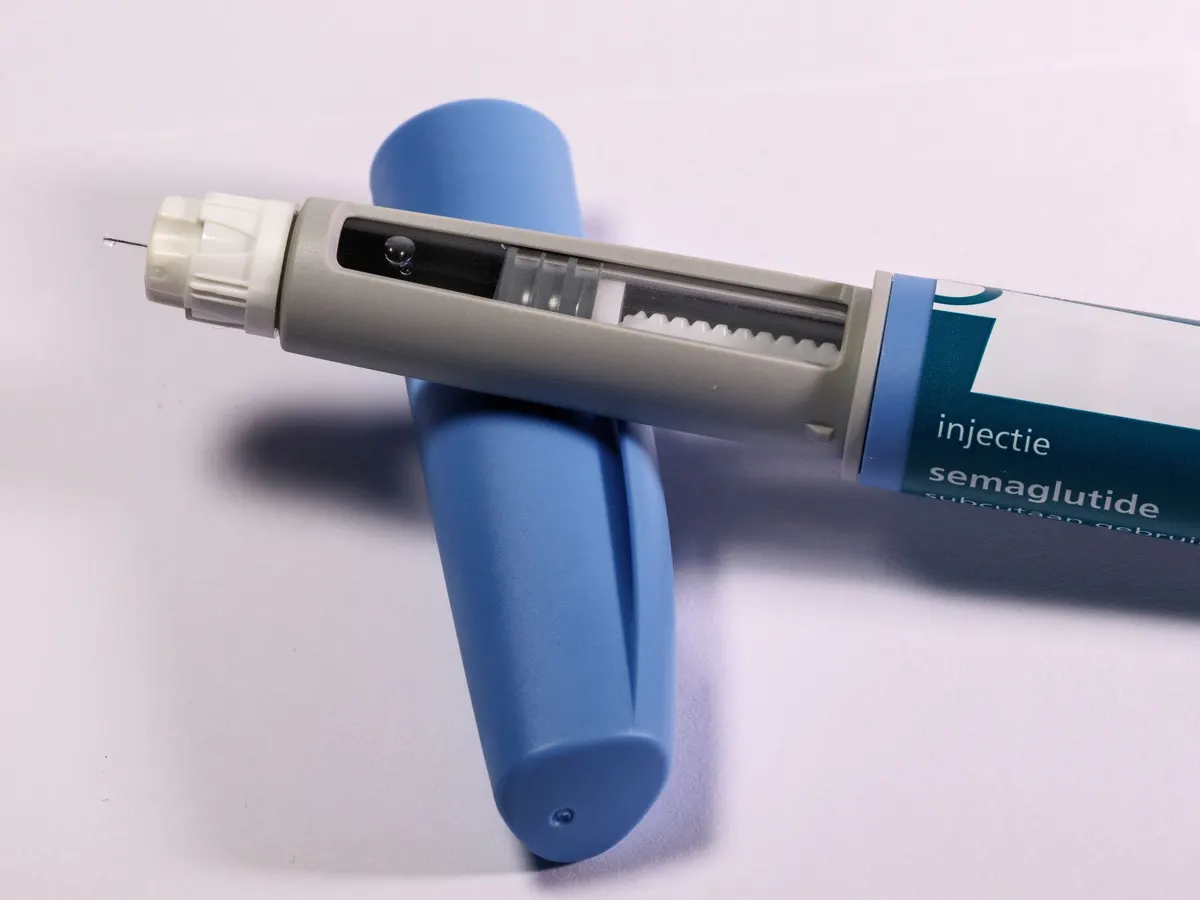
Photo by Haberdoedas Photography via Pexels
Quick Answer
Comparing GLP-1 medications like semaglutide and tirzepatide shows significant differences in weight loss and diabetes management. In separate trials (not a head-to-head comparison), tirzepatide 15 mg led to an average 20.9% body weight reduction over 72 weeks[3], while semaglutide 2.4 mg led to an average 14.9% over 68 weeks[1]. Both effectively lower blood sugar levels, but individual factors determine the best choice.
Introduction to GLP-1 Medications
Glucagon-like peptide-1 (GLP-1) medications have become a cornerstone in the treatment of type 2 diabetes and obesity. These medications mimic the GLP-1 hormone, which is naturally produced in the gut and plays a crucial role in regulating blood sugar and appetite. By enhancing insulin secretion, slowing gastric emptying, and reducing appetite, GLP-1 medications help manage blood sugar levels and promote weight loss[2].
The popularity of GLP-1 medications has surged in recent years, driven by their dual benefits. They not only help control blood sugar levels in people with type 2 diabetes but also aid in significant weight reduction, making them a versatile tool in managing metabolic disorders. With multiple options available, including semaglutide (Ozempic, Wegovy) and tirzepatide (Mounjaro), it can be challenging to choose the right one.
Understanding the differences between these medications is essential for patients and healthcare providers. This article will delve into comparing GLP-1 medications, focusing on their effectiveness, patient experiences, and guidance on selecting the best option for individual needs.
Effectiveness in Weight Loss and Diabetes Management
How Effective Are GLP-1 Medications for Weight Loss?
GLP-1 medications have shown remarkable results in weight loss, particularly in clinical trials. For instance, the STEP 1 trial demonstrated that semaglutide 2.4 mg resulted in an average weight loss of 14.9% over 68 weeks[1]. For a person weighing 200 pounds, this translates to nearly 30 pounds lost. Meanwhile, tirzepatide, a newer addition, has shown even more impressive results. In the separate SURMOUNT-1 trial, tirzepatide led to an average weight reduction of 15.0% to 20.9% over 72 weeks, with 20.9% at the highest dose (15 mg)[3].
These figures highlight the potential of GLP-1 medications as a powerful tool against obesity. The ability to achieve such weight loss can significantly improve health outcomes, reducing the risk of complications associated with obesity, such as cardiovascular disease and type 2 diabetes. The mechanism by which GLP-1 medications facilitate weight loss involves several physiological changes: they enhance satiety, reduce food intake, and alter food preferences toward healthier options. This comprehensive approach to weight management is particularly beneficial for individuals struggling with obesity-related conditions.
How Do GLP-1 Medications Manage Diabetes?
Beyond weight loss, GLP-1 medications are highly effective in managing type 2 diabetes. They lower blood sugar levels by stimulating insulin release and inhibiting glucagon secretion, which prevents the liver from producing excess glucose. Semaglutide 1 mg, for example, lowered HbA1c (a long-term blood sugar indicator) by 1.7 percentage points over 30 weeks in the SUSTAIN 10 trial[4]. Tirzepatide offers similar benefits, with the SURPASS-2 trial showing it lowered HbA1c by up to 2.3 percentage points at the 15 mg dose over 40 weeks[5].
These reductions in HbA1c are significant, as they help prevent diabetes-related complications such as neuropathy, retinopathy, and nephropathy. By effectively controlling blood sugar levels, GLP-1 medications improve the quality of life for many patients with type 2 diabetes. The mechanism of action involves enhancing the β-cells' responsiveness to glucose and increasing insulin sensitivity. This dual action not only aids in immediate glucose control but also contributes to long-term glycemic stability.
Patient Experiences and Testimonials
What Do Patients Say About GLP-1 Medications?
Patient experiences with GLP-1 medications vary, but many report positive outcomes. Users often highlight significant weight loss and improved blood sugar control as key benefits. For instance, one patient taking semaglutide noted a weight reduction of 25 pounds within six months, alongside improved energy levels and reduced hunger pangs.
Similarly, tirzepatide users have shared stories of transformative weight loss and diabetes management. One testimonial described losing 40 pounds over a year, with blood sugar levels stabilizing to near-normal ranges. These experiences underscore the potential of GLP-1 medications to change lives. Patients also report improvements in related health markers, such as lower blood pressure and cholesterol levels, further enhancing their overall health profile.
What Are the Common Side Effects?
While GLP-1 medications are effective, they can cause side effects. The most common include nausea, diarrhea, and vomiting, particularly at the start of treatment. In the SURPASS-2 trial, 18% of patients taking semaglutide 1 mg reported nausea[5]. However, these symptoms often decrease over time as the body adjusts.
It's crucial for patients to discuss potential side effects with their healthcare provider and to follow dosing instructions carefully. Starting with a lower dose and gradually increasing it can help minimize side effects. Understanding the underlying cause of these side effects, such as the slowing of gastric emptying, can help patients better manage them. Patients can also adopt dietary strategies, like eating smaller, more frequent meals, to alleviate gastrointestinal discomfort.
Choosing the Right GLP-1 Medication
How to Decide Which GLP-1 Medication Is Right for You?
Choosing the right GLP-1 medication depends on several factors, including individual health needs, lifestyle, and treatment goals. Here are some considerations:
- Weight Loss Goals: If significant weight loss is a primary goal, tirzepatide may be the preferred choice due to its larger average weight reduction in clinical trials, including a head-to-head trial against semaglutide 1 mg in people with type 2 diabetes[5].
- Blood Sugar Control: Both medications effectively lower blood sugar, but individual responses can vary. Monitoring blood sugar levels with a GLP-1 medication tracker can help assess effectiveness.
- Side Effects: Consider personal tolerance to side effects. Some patients may experience fewer gastrointestinal issues with one medication over the other.
- Cost and Insurance Coverage: The cost of medication and insurance coverage can influence the decision. Checking with your insurance provider for coverage details is advisable.
Consulting with Healthcare Providers
It's essential to consult with a healthcare provider when selecting a GLP-1 medication. They can provide personalized recommendations based on medical history, current medications, and treatment goals. Regular follow-ups allow for monitoring progress and adjusting treatment as needed. Healthcare providers can also provide insights into the latest research and emerging options in GLP-1 therapies, ensuring that patients receive the most effective and up-to-date treatment.
Frequently Asked Questions
What is the difference between semaglutide and tirzepatide?
Semaglutide and tirzepatide are both GLP-1 medications, but tirzepatide also acts on another hormone, GIP. This dual action may contribute to its higher average weight loss compared to semaglutide[5]. The inclusion of GIP receptor agonism in tirzepatide's mechanism enhances insulin secretion and further suppresses appetite, offering a broader metabolic impact.
How long does it take to see results with GLP-1 medications?
Patients often see improvements in blood sugar levels within weeks. Weight loss effects can be noticeable within a few months, with significant changes typically occurring over six months to a year. The timeline for results can vary based on adherence to medication, lifestyle modifications, and individual metabolic responses.
Can GLP-1 medications be used with other diabetes treatments?
Yes, GLP-1 medications can be used alongside other diabetes treatments, such as metformin or insulin. It's important to coordinate with a healthcare provider to manage potential interactions and side effects. Combining treatments can enhance glycemic control, but requires careful monitoring to avoid hypoglycemia or other adverse effects.
Are GLP-1 medications safe for long-term use?
Trials lasting two years or more have studied the safety of GLP-1 medications. For example, the two-year SUSTAIN-6 trial in people with type 2 diabetes at high cardiovascular risk found that semaglutide lowered the risk of major cardiovascular events compared with placebo[6]. Side effects still occur, so regular check-ins with a healthcare provider are recommended, and safety monitoring of these medications continues.
What should I do if I miss a dose of my GLP-1 medication?
Once-weekly injections have specific windows in their prescribing information: take a missed Ozempic dose if it is within 5 days of the missed day, a missed Mounjaro or Zepbound dose if it is within 4 days, and a missed Wegovy dose if your next dose is more than 2 days away. Otherwise, skip it and take your next dose on your usual day. Daily medications have their own rules, so check the label or ask your pharmacist. Do not double up on doses. Consistent dosing is crucial for maintaining stable blood sugar levels and achieving desired weight loss outcomes.
What are the potential long-term health benefits of using GLP-1 medications?
Beyond immediate glucose control and weight loss, GLP-1 medications offer long-term health benefits, such as reduced cardiovascular risk and improved liver health. Studies suggest that these medications can decrease the likelihood of major cardiovascular events, such as heart attacks and strokes, by improving lipid profiles and reducing systemic inflammation.
How do lifestyle changes enhance the effectiveness of GLP-1 medications?
Integrating lifestyle changes, such as a balanced diet and regular physical activity, can significantly enhance the effectiveness of GLP-1 medications. These changes complement the medication's effects by promoting further weight loss, improving insulin sensitivity, and enhancing overall metabolic health. Patients who combine medication with lifestyle modifications often achieve better long-term outcomes.
Sources and References
[1] Wilding JPH, et al. "Once-Weekly Semaglutide in Adults with Overweight or Obesity." N Engl J Med. 2021;384(11):989-1002. https://www.nejm.org/doi/full/10.1056/NEJMoa2032183
[2] U.S. Food and Drug Administration. "Wegovy (semaglutide) Prescribing Information." DailyMed. dailymed.nlm.nih.gov
[3] Jastreboff AM, et al. "Tirzepatide Once Weekly for the Treatment of Obesity." N Engl J Med. 2022;387(3):205-216. https://pubmed.ncbi.nlm.nih.gov/35658024/
[4] Capehorn MS, et al. "Efficacy and safety of once-weekly semaglutide 1.0mg vs once-daily liraglutide 1.2mg as add-on to 1-3 oral antidiabetic drugs in subjects with type 2 diabetes (SUSTAIN 10)." Diabetes Metab. 2020;46(2):100-109. https://pubmed.ncbi.nlm.nih.gov/31539622/
[5] Frias JP, et al. "Tirzepatide versus Semaglutide Once Weekly in Patients with Type 2 Diabetes." N Engl J Med. 2021;385(6):503-515. https://pubmed.ncbi.nlm.nih.gov/34170647/
[6] Marso SP, et al. "Semaglutide and Cardiovascular Outcomes in Patients with Type 2 Diabetes." N Engl J Med. 2016;375(19):1834-1844. https://pubmed.ncbi.nlm.nih.gov/27633186/
Medical Disclaimer
This article is for informational purposes only and does not constitute medical advice. Please consult a healthcare provider for advice on treatment options and medications.

Track your GLP-1 journey
Track doses, side effects, and progress with JellyPal — all in one free app.