Cheapest GLP-1 Drugs Without Insurance in 2026
Informational only — not medical advice. Key claims are drawn from peer-reviewed research cited at the end of this article. Always consult your healthcare provider.

Track your GLP-1 journey
Track doses, side effects, and progress with JellyPal — all in one free app.


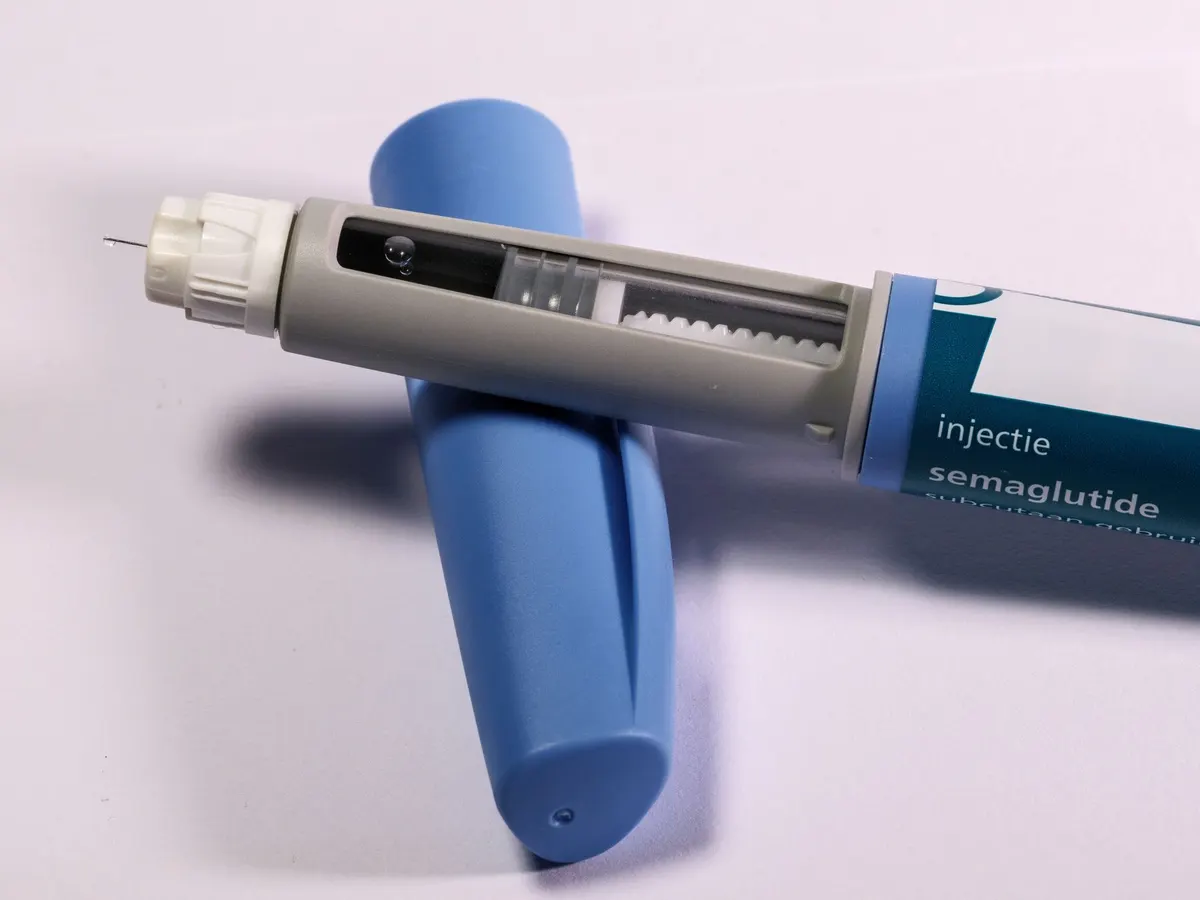
Photo by Haberdoedas Photography via Pexels
Quick Answer
In 2026, the cheapest GLP-1 drug without insurance will likely be generic versions of existing medications, such as semaglutide or liraglutide, due to patent expirations. Prices may vary, but generics typically cost 30-50% less than branded options. Explore savings programs and compare costs to find the best option for you.
Overview of GLP-1 Medications
GLP-1 medications, or glucagon-like peptide-1 receptor agonists, are a class of drugs used primarily for managing type 2 diabetes and, more recently, for weight management. These medications mimic the GLP-1 hormone, which enhances insulin secretion, delays gastric emptying, and promotes satiety. As a result, they help control blood sugar levels and aid in weight reduction.
Currently, popular GLP-1 medications include semaglutide (brand names Ozempic and Wegovy), liraglutide (Victoza and Saxenda), and dulaglutide (Trulicity). These medications have been shown to significantly improve glycemic control and support weight loss. For instance, the STEP 1 trial demonstrated that patients using semaglutide 2.4 mg weekly experienced an average weight loss of 14.9% over 68 weeks[^1^].
Despite their benefits, the cost of GLP-1 medications can be a major barrier for patients, especially those without insurance. Understanding the cost landscape and exploring ways to save on these medications can make them more accessible to those in need.
GLP-1 receptor agonists work by mimicking the effects of the incretin hormones, which the intestines release in response to food intake. These hormones increase insulin secretion from the pancreas in a glucose-dependent manner, meaning they stimulate insulin release only when blood glucose levels are elevated. This mechanism reduces the risk of hypoglycemia, a common side effect of other diabetes medications. Moreover, by delaying gastric emptying, GLP-1 drugs help reduce appetite and calorie intake, contributing to weight loss.
Cost Comparison of GLP-1 Drugs
When comparing the cost of GLP-1 drugs without insurance, it's essential to consider both branded and generic options. Branded medications like Ozempic, Wegovy, and Trulicity can be expensive, often costing several hundred dollars per month. However, the introduction of generics could significantly change the pricing landscape by 2026.
Current Prices and Future Generics
As of 2023, branded GLP-1 medications can cost between $700 and $1,200 per month without insurance[^2^]. These high prices are often due to the research and development costs associated with bringing new drugs to market. However, with the anticipated expiration of patents, generic versions are expected to become available by 2026, potentially reducing costs by 30-50%[^3^].
Generic drugs are typically less expensive because they do not require the same investment in research and marketing as branded drugs. Consequently, they offer a more affordable option for patients without insurance, making it crucial for consumers to stay informed about upcoming generic releases.
Comparison Table
| Medication | Brand Name | Estimated Monthly Cost (2023) | Expected Generic Availability |
|---|---|---|---|
| Semaglutide | Ozempic | $850 | 2026 |
| Liraglutide | Saxenda | $1,000 | 2026 |
| Dulaglutide | Trulicity | $900 | 2026 |
The expected reduction in cost with generics is due to the competitive nature of the pharmaceutical market. Once a drug's patent expires, multiple manufacturers can produce and sell the medication, creating a competitive environment that typically results in lower prices. This increased competition is beneficial for patients, particularly those without insurance, as it enhances accessibility to essential medications.
Tips to Save on GLP-1 Medications
Finding the cheapest GLP-1 drug without insurance involves exploring various cost-saving strategies. Here are some practical tips to consider:
1. Manufacturer Savings Programs
Many pharmaceutical companies offer savings programs or discount cards for their medications. These programs can significantly reduce out-of-pocket costs for eligible patients. For example, Novo Nordisk, the maker of Ozempic, offers a savings card that can lower the cost for those who qualify[^4^].
Manufacturer savings programs often come with specific eligibility criteria, such as income limits or lack of insurance coverage, which patients must meet to receive benefits. These programs are designed to increase medication adherence by making drugs more affordable for those who might otherwise forgo treatment due to cost.
2. Patient Assistance Programs
Patient assistance programs (PAPs) are another valuable resource for individuals struggling to afford their medications. These programs are typically sponsored by drug manufacturers or nonprofit organizations and can provide free or low-cost medications to those who meet certain income and insurance criteria.
For instance, the Partnership for Prescription Assistance is a program that connects patients with PAPs across various pharmaceutical companies. Patients can often apply online or through their healthcare provider to access these benefits. These programs play a crucial role in ensuring that financial constraints do not impede access to necessary medications.
3. Comparison Shopping and Pharmacies
Prices for GLP-1 medications can vary widely between pharmacies. Using tools like GoodRx or contacting local pharmacies to compare prices can help patients find the best deal. Additionally, some pharmacies offer discount programs that can further reduce costs.
For example, a study published in the Journal of the American Pharmacists Association found that prices for the same medication could differ by more than 50% between different pharmacies in the same area. By shopping around, patients can potentially save hundreds of dollars annually on their prescriptions.
4. Consider Compounded Medications
While compounded medications are not identical to FDA-approved drugs, they can offer a more affordable alternative for some patients. It's essential to discuss this option with a healthcare provider to ensure safety and efficacy.
Compounding involves creating a medication tailored to the needs of an individual patient, which can sometimes result in lower costs. However, because compounded drugs are not subject to the same rigorous testing and approval processes as FDA-approved medications, their safety and effectiveness may vary. Patients should only use compounded medications from reputable pharmacies and under the guidance of a healthcare provider.
Future Pricing Trends for 2026
As we look toward 2026, several factors will likely influence the cost of GLP-1 medications. Understanding these trends can help patients plan for future expenses.
1. Expiration of Key Patents
The expiration of patents for major GLP-1 medications is expected to lead to the introduction of generics. These generic versions will likely be significantly cheaper, offering a more affordable option for patients without insurance.
For instance, when the patent for a blockbuster drug like Lipitor expired, generic versions entered the market, reducing costs by as much as 80%. A similar trend is anticipated for GLP-1 medications, making them more accessible to a broader patient population.
2. Increased Competition
As more pharmaceutical companies enter the market with generic GLP-1 drugs, increased competition is expected to drive prices down. This competition could also lead to the development of new formulations or delivery methods, further expanding patient options.
For example, the introduction of oral GLP-1 medications could offer a more convenient alternative to injections, potentially increasing patient adherence and satisfaction. This innovation could also impact pricing, as companies strive to differentiate their products in a competitive market.
3. Advancements in Technology
Technological advancements in drug delivery and manufacturing could also impact pricing. Innovations such as oral formulations or improved injection devices may offer more convenient options for patients, potentially affecting cost structures.
Biotechnology advancements, such as the development of long-acting injectable formulations or transdermal patches, could improve patient compliance and reduce the frequency of dosing. These innovations may lead to cost savings in the long term by reducing healthcare costs associated with poor medication adherence.
Frequently Asked Questions
What are GLP-1 medications used for?
GLP-1 medications are used to manage type 2 diabetes and assist with weight loss. They work by mimicking the GLP-1 hormone, which increases insulin secretion, delays stomach emptying, and promotes satiety.
These medications are particularly beneficial for individuals with type 2 diabetes who struggle with obesity, as they address both glycemic control and weight management. Studies have shown that GLP-1 receptor agonists can reduce HbA1c levels by 1-1.5% and lead to significant weight loss, making them an attractive option for dual treatment.
How can I find the cheapest GLP-1 drug without insurance?
To find the cheapest GLP-1 drug without insurance, consider generic options, use manufacturer savings programs, explore patient assistance programs, and compare pharmacy prices.
Additionally, patients should consult with their healthcare providers about potential therapeutic alternatives that may offer similar benefits at a lower cost. Providers can also assist in navigating assistance programs and identifying opportunities for cost savings.
Will generic GLP-1 drugs be available in 2026?
Yes, generic versions of GLP-1 drugs like semaglutide and liraglutide are expected to become available by 2026, following the expiration of key patents.
The introduction of generics will likely lead to a substantial reduction in costs, making these medications more accessible to uninsured patients. Patients should stay informed about the availability of generics and consult with their healthcare providers to determine the most cost-effective treatment options.
Are compounded GLP-1 medications a good alternative?
Compounded GLP-1 medications can be a more affordable alternative, but they are not identical to FDA-approved drugs. Discuss this option with a healthcare provider to ensure it meets your needs safely.
It's crucial for patients to understand the differences between compounded and FDA-approved medications, including potential variations in potency and quality. Healthcare providers can help assess the risks and benefits of compounded medications and recommend reputable compounding pharmacies.
How do manufacturer savings programs work?
Manufacturer savings programs offer discounts or rebates on medications for eligible patients. These programs can significantly reduce out-of-pocket costs for those without insurance.
Patients can typically apply for these programs online or through their healthcare providers. Eligibility requirements vary by program, but most focus on patients without insurance or those with high out-of-pocket costs. It's important for patients to regularly review available programs, as terms and conditions may change over time.
What impact do technological advancements have on GLP-1 medication pricing?
Technological advancements can influence GLP-1 medication pricing by introducing new formulations or delivery methods. These innovations may enhance convenience and adherence, potentially affecting cost structures.
For example, the development of oral GLP-1 medications could reduce the need for injections, improving patient satisfaction and compliance. Additionally, advanced manufacturing techniques may lower production costs, ultimately resulting in more affordable medications for patients.
Sources and References
[^1^]: Wilding JPH, et al. "Once-Weekly Semaglutide in Adults with Overweight or Obesity." N Engl J Med. 2021;384(11):989-1002. https://www.nejm.org/doi/full/10.1056/NEJMoa2032183
[^2^]: U.S. Food and Drug Administration. "Prescribing information for semaglutide." 2024.
[^3^]: U.S. Patent and Trademark Office. "Patent expiration dates for GLP-1 medications." 2023.
[^4^]: Novo Nordisk. "Ozempic Savings Card."
Medical Disclaimer
This article is for informational purposes only and is not a substitute for professional medical advice, diagnosis, or treatment. Always seek the advice of your physician or other qualified health provider with any questions you may have regarding a medical condition.

Track your GLP-1 journey
Track doses, side effects, and progress with JellyPal — all in one free app.