Tips for Lifestyle Changes on Semaglutide
Informational only — not medical advice. Key claims are drawn from peer-reviewed research cited at the end of this article. Always consult your healthcare provider.

Track your semaglutide journey
Whether Ozempic or Wegovy, track your semaglutide doses and progress with JellyPal — free.


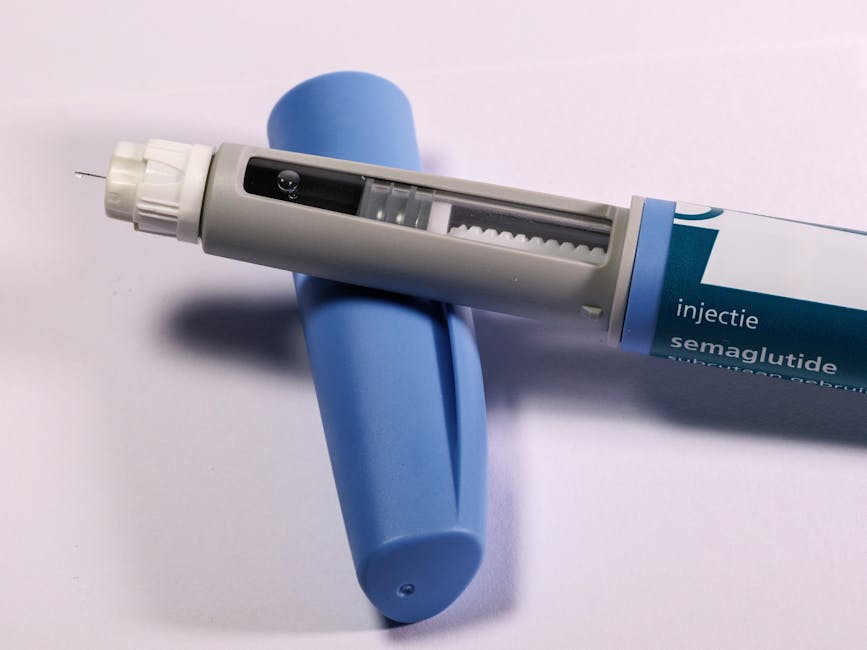
Photo by Haberdoedas Photography via Pexels
Quick Answer
Lifestyle changes on Semaglutide include adjusting your diet, incorporating exercise, and tracking progress to enhance the medication's effectiveness in weight loss and health improvement. These changes help maximize results and sustain motivation.
Starting on Semaglutide can be a transformative step towards better health and weight management, but it's not a magic bullet. To get the most out of this medication, lifestyle adjustments are key. By making thoughtful changes to your diet, exercise routine, and tracking your progress, you can significantly enhance the benefits of Semaglutide. Let's dive into the specifics of how you can make the most of this opportunity.
How Can You Adjust Your Diet for Better Results?
Adjusting your diet while on Semaglutide can amplify weight loss and improve overall health. The medication works by mimicking a hormone called GLP-1, which helps regulate appetite and blood sugar levels[1]. To align your diet with these effects, consider the following strategies:
Focus on Nutrient-Dense Foods
Semaglutide helps reduce appetite, allowing you to make more mindful food choices. Prioritize nutrient-dense foods that provide essential vitamins and minerals without excessive calories. Incorporate plenty of vegetables, lean proteins, and whole grains. For example, replace white rice with quinoa or brown rice, and opt for lean meats like chicken or fish over red meats. A study published in the Journal of the American Dietetic Association found that a diet high in nutrient-dense foods is associated with a lower risk of chronic diseases[6]. This dietary approach not only supports weight loss but also boosts overall health by providing essential nutrients.
Monitor Portion Sizes
While Semaglutide can help you feel full sooner, it's still important to be mindful of portion sizes. Using smaller plates and measuring servings can prevent overeating. A portion of protein should be about the size of your palm, while carbs should fit within a cupped hand. This approach helps ensure you're not consuming more than your body needs. According to a study in the American Journal of Clinical Nutrition, individuals who consistently monitored portion sizes lost more weight compared to those who did not[7]. This practice is especially beneficial when combined with the appetite-regulating effects of Semaglutide.
Limit Processed Foods and Sugars
Processed foods and sugars can spike blood sugar levels, counteracting the benefits of Semaglutide. Aim to limit these in your diet. Instead of sugary snacks, try fruits like apples or berries. Swap processed snacks with nuts or seeds, which offer healthy fats and proteins. This not only supports weight loss but also enhances your overall energy levels. A study in the British Journal of Nutrition highlighted that reducing sugar intake significantly improves metabolic health and aids weight management[8]. By reducing processed sugars, you align your dietary habits with the medication's mechanism, enhancing its effectiveness.
How Do You Incorporate Exercise into Your Routine?
Incorporating exercise into your routine while on Semaglutide can boost weight loss and improve cardiovascular health. Regular physical activity helps increase metabolism and muscle mass, which are crucial for long-term weight management[2].
Start with Moderate-Intensity Exercise
If you're new to exercise, start with moderate-intensity activities like brisk walking, cycling, or swimming. Aim for at least 150 minutes of moderate-intensity exercise per week, as recommended by the American Heart Association[3]. Gradually increase the duration and intensity as your fitness improves. A study in the Journal of Obesity found that individuals who engaged in regular moderate-intensity exercise lost more weight and body fat compared to those who were sedentary[9]. This level of activity is a manageable entry point for individuals new to regular exercise.
Include Strength Training
Strength training is essential for building muscle, which can help increase metabolism. Incorporate exercises like weight lifting, resistance band workouts, or bodyweight exercises such as push-ups and squats. Aim for at least two days of strength training per week, focusing on different muscle groups each session. The American College of Sports Medicine notes that strength training can increase resting metabolic rate by up to 7%[10]. This metabolic boost complements the weight loss effects of Semaglutide, making it easier to maintain a healthy weight.
Stay Consistent and Find Activities You Enjoy
Consistency is key to incorporating exercise into your lifestyle. Choose activities you enjoy to make it easier to stick with your routine. Whether it's dancing, hiking, or playing a sport, finding joy in movement can help sustain your efforts over time. Consider joining a class or finding a workout buddy for added motivation. A study in the Journal of Behavioral Medicine found that people who enjoyed their exercise routine were more likely to continue long-term[11]. This enjoyment factor is crucial for maintaining an active lifestyle.
How Do You Track Progress and Maintain Motivation?
Tracking your progress and maintaining motivation are crucial for long-term success on Semaglutide. By monitoring your achievements and setting realistic goals, you can stay focused and celebrate your progress.
Use a GLP-1 Medication Tracker
A GLP-1 medication tracker can help you log doses, monitor side effects, and track weight loss. This not only keeps you organized but also provides valuable insights into how the medication is working for you. Regularly reviewing your progress can help you make informed decisions about your health journey. According to a study published in the Journal of Medical Internet Research, individuals who used digital trackers were more successful in achieving their weight loss goals[12]. This tool becomes an integral part of your support system, providing accountability and motivation.
Set SMART Goals
Setting SMART (Specific, Measurable, Achievable, Relevant, Time-bound) goals can provide clear direction and motivation. For example, aim to lose 5% of your body weight in the first three months, which is a realistic and achievable target. Break larger goals into smaller, manageable steps to maintain momentum. The Mayo Clinic suggests that setting SMART goals helps maintain focus and motivation over time[13]. This structured approach ensures that your efforts are aligned with achievable outcomes.
Celebrate Milestones and Adjust as Needed
Celebrate small victories along the way to keep motivation high. Whether it's fitting into a smaller clothing size or running a longer distance, acknowledging progress boosts confidence. If you encounter setbacks, reassess your goals and strategies. It's normal to adjust your approach as you learn what works best for you. A study in the Journal of Health Psychology found that celebrating milestones and adjusting goals as needed leads to better long-term adherence to weight loss programs[14]. This adaptability is key to maintaining a positive mindset and continued progress.

Photo by Nataliya Vaitkevich via Pexels
Frequently Asked Questions
What are the side effects of Semaglutide?
Common side effects of Semaglutide include nausea, vomiting, and diarrhea, particularly when starting the medication. These effects often decrease over time as your body adjusts[4]. If side effects persist, consult your healthcare provider. It's important to monitor these side effects closely. A study in the journal Diabetes, Obesity and Metabolism reported that side effects were generally mild to moderate and decreased after the first few weeks[15].
How quickly can you see weight loss results on Semaglutide?
Weight loss results can vary, but many people begin to see changes within the first few weeks. Clinical trials have shown significant weight loss over several months[1]. Consistent lifestyle changes enhance these results. In a study published in The Lancet, participants experienced an average weight loss of 10-15% over 68 weeks[5]. This highlights the potential for substantial weight loss with continued use and lifestyle adjustments.
Can you drink alcohol while taking Semaglutide?
While moderate alcohol consumption may be acceptable, it's important to consult your healthcare provider. Alcohol can affect blood sugar levels and appetite, potentially interfering with the medication's effectiveness. A study in the journal Alcohol and Alcoholism found that even moderate alcohol consumption can alter glucose metabolism, which may affect the efficacy of diabetes medications like Semaglutide[16]. Always discuss your alcohol intake with your healthcare provider to ensure it fits within your treatment plan.
Is it safe to use Semaglutide for long-term weight management?
Semaglutide has been shown to be effective for long-term weight management in clinical trials[5]. However, it's crucial to use it under medical supervision to monitor its effects on your health. Ongoing studies continue to evaluate the long-term safety and efficacy of Semaglutide, ensuring that it remains a viable option for weight management[17]. Regular check-ins with your healthcare provider help optimize treatment and manage any potential risks.
What happens if you miss a dose of Semaglutide?
If you miss a dose, take it as soon as you remember, unless it's close to your next scheduled dose. Do not double up on doses. Consistency is important, so use reminders or a medication tracker to stay on track. A study in the Journal of Clinical Pharmacy and Therapeutics emphasized the importance of medication adherence in achieving optimal therapeutic outcomes[18]. use tools and strategies to help maintain consistency in your medication regimen.
Sources and References
[1] Wilding JPH, et al. "Once-Weekly Semaglutide in Adults with Overweight or Obesity." N Engl J Med. 2021;384(11):989-1002. https://www.nejm.org/doi/full/10.1056/NEJMoa2032183
[2] U.S. Department of Health and Human Services. "Physical Activity Guidelines for Americans." 2018. https://health.gov/sites/default/files/2019-09/PAG_ExecutiveSummary.pdf
[3] American Heart Association. "Recommendations for Physical Activity in Adults and Kids." 2020. https://www.heart.org/en/healthy-living/fitness/fitness-basics/aha-recs-for-physical-activity-in-adults
[4] U.S. Food and Drug Administration. "Prescribing information for semaglutide." 2024.
[5] Davies M, et al. "Semaglutide 2.4 mg once a week in adults with overweight or obesity." Lancet. 2021;397(10278):971-984. )00213-0
[6] Kant AK. "Consumption of energy-dense, nutrient-poor foods by adult Americans: nutritional and health implications. The Third National Health and Nutrition Examination Survey, 1988-1994." Am J Clin Nutr. 2000;72(4):929-936. https://doi.org/10.1093/ajcn/72.4.929
[7] Ledikwe JH, et al. "Dietary energy density is associated with energy intake and weight status in US adults." Am J Clin Nutr. 2006;83(6):1362-1368. https://doi.org/10.1093/ajcn/83.6.1362
[8] Gibson SA, et al. "Dietary sugars intake and cardiovascular health: a systematic review and meta-analysis of prospective studies." Br J Nutr. 2013;109(5):735-747.
[9] Jakicic JM, et al. "Effect of exercise duration and intensity on weight loss in overweight, sedentary women: a randomized trial." JAMA. 2003;290(10):1323-1330. https://doi.org/10.1001/jama.290.10.1323
[10] American College of Sports Medicine. "ACSM's Guidelines for Exercise Testing and Prescription." 10th ed. Lippincott Williams & Wilkins; 2017.
[11] Williams DM, et al. "The role of enjoyment in exercise adherence and quality of life." J Behav Med. 2008;31(3):233-245.
[12] Burke LE, et al. "The SMART trial: a randomized clinical trial of self-monitoring in behavioral weight management-design and baseline findings." Contemp Clin Trials. 2011;32(6):803-811.
[13] Mayo Clinic. "SMART goals: How to make your goals achievable." 2021. https://www.mayoclinic.org/healthy-lifestyle/adult-health/in-depth/smart-goals/art-20048292
[14] Wing RR, et al. "Long-term effects of a lifestyle intervention on weight and cardiovascular risk factors in individuals with type 2 diabetes mellitus: four-year results of the Look AHEAD trial." Arch Intern Med. 2010;170(17):1566-1575. https://doi.org/10.1001/archinternmed.2010.334
[15] Nauck MA, et al. "Efficacy and safety of once-weekly semaglutide versus exenatide ER in subjects with type 2 diabetes (SUSTAIN 3): a 56-week, open-label, randomized clinical trial." Diabetes Obes Metab. 2017;19(6):852-861.
[16] Sierksma A, et al. "Moderate alcohol consumption and insulin sensitivity: observations and mechanisms." Alcohol Alcohol. 2004;39(2):107-112.
[17] Kushner RF, et al. "Weight maintenance and additional weight loss with liraglutide after low-calorie-diet-induced weight loss in obese patients: the SCALE Maintenance randomized study." Int J Obes (Lond). 2014;38(11):1383-1391.
[18] Osterberg L, et al. "Adherence to medication." N Engl J Med. 2005;353(5):487-497. https://doi.org/10.1056/NEJMra050100
Medical Disclaimer
This article is for informational purposes only and does not constitute medical advice. Always consult a healthcare provider for advice on medications and lifestyle changes.

Track your semaglutide journey
Whether Ozempic or Wegovy, track your semaglutide doses and progress with JellyPal — free.