What Happens if You Miss a Zepbound Dose?
Informational only — not medical advice. Key claims are drawn from peer-reviewed research cited at the end of this article. Always consult your healthcare provider.

Track your Zepbound journey
Log Zepbound doses, track weight loss, and manage your journey with JellyPal — free.



Photo by SHVETS production via Pexels
Quick Answer
If you miss a Zepbound dose, take it as soon as you remember unless it's close to your next scheduled dose. In that case, skip the missed dose and continue with your regular schedule. Missing doses can reduce the medication's effectiveness, so consistency is key[1].
When managing your health with GLP-1 medications like Zepbound, maintaining a consistent dosing schedule is crucial. Life is busy, and it's easy to forget a dose now and then, but understanding what happens if you miss a Zepbound dose can help you stay on track and make informed decisions.
Importance of Consistent Dosing
Taking Zepbound consistently is vital for achieving the best therapeutic outcomes. Zepbound, a GLP-1 receptor agonist, works by enhancing insulin secretion, reducing glucagon release, and slowing gastric emptying[2]. These actions help regulate blood glucose levels and support weight management. Consistent dosing ensures that the medication maintains a steady concentration in your body, optimizing its benefits.
It's like maintaining a steady pace on a long-distance run—keeping a consistent speed ensures you reach the finish line efficiently. Skipping doses can disrupt this rhythm, leading to fluctuations in blood glucose levels and potentially diminishing the medication's effectiveness. According to the American Diabetes Association, maintaining a regular medication schedule is critical for managing diabetes and achieving treatment goals[3].
Moreover, consistent dosing helps in minimizing side effects. Sudden changes in medication levels can lead to gastrointestinal issues such as nausea or diarrhea, which are more common when starting GLP-1 therapies or adjusting doses[4]. By sticking to your prescribed schedule, you can help your body adapt more smoothly to the medication.
Consider the analogy of a symphony orchestra. Each instrument plays its part at the right time to create harmony. If one instrument misses its cue, the entire performance can be affected. Similarly, missing a Zepbound dose can disrupt the delicate balance needed to manage your blood glucose effectively.
Immediate Actions After Missing a Dose
So, what should you do if you miss a Zepbound dose? The first step is to assess the timing. If you realize you've missed a dose within a day, take the missed dose as soon as possible. However, if it's almost time for your next scheduled dose, skip the one you missed. Doubling up on doses can increase the risk of side effects without improving efficacy[5].
It's important not to panic. Missing a single dose isn't the end of the world, but it's a reminder to be more vigilant. Consider setting alarms or using a medication tracking app like JellyPal to help you remember your doses. These tools are designed to support your medication routine by providing reminders and tracking your progress.
In cases where you're unsure about what to do after missing a dose, consult your healthcare provider. They can provide personalized advice based on your treatment plan and medical history. It's always better to seek guidance than to make assumptions about your medication regimen.
For instance, if you typically take your dose in the morning but remember in the evening, and your next dose is due the next morning, it's better to skip the missed dose. This approach prevents the risk of potential overdose effects, such as severe nausea or hypoglycemia, which can occur when doses are taken too close together.
Potential Consequences of Missed Doses
Missing a Zepbound dose occasionally may not seem like a big deal, but it can have consequences. One of the main risks is reduced effectiveness in managing blood glucose levels. Zepbound helps maintain stable glucose levels, and skipping doses can lead to fluctuations, making it harder to achieve your glycemic targets[6].
Furthermore, inconsistent dosing can impact weight management efforts. Zepbound is often prescribed to help with weight loss, and its effectiveness relies on a consistent presence in the body. Missing doses can slow progress, making it more challenging to reach weight loss goals.
Repeatedly missing doses can also lead to what's known as "therapeutic inertia." This term describes a situation where treatment goals are not met due to irregular medication use. Over time, this can result in worsening diabetes control and increase the risk of complications such as cardiovascular disease or neuropathy[7].
Consider a patient who consistently misses one dose every week. Over a year, this results in approximately 52 missed doses. Such a pattern can significantly affect the therapeutic outcomes, leading to a potential increase in HbA1c levels by as much as 1% over time, according to some clinical observations.
Tips to Prevent Missing a Dose
To avoid missing a Zepbound dose, consider implementing some practical strategies:
- Set Daily Reminders: Use alarms on your phone or a smartwatch to remind you when it's time to take your medication.
- Use a Pill Organizer: Organizers can help you keep track of whether you've taken your dose each day.
- Incorporate Dosing Into Your Routine: Link taking your medication with another daily habit, like brushing your teeth or having breakfast.
- Leverage Technology: use apps like JellyPal to track your doses and receive notifications.
By incorporating these strategies, you can create a routine that reduces the likelihood of missed doses. Remember, consistency is key to maximizing the benefits of Zepbound and achieving your health goals.
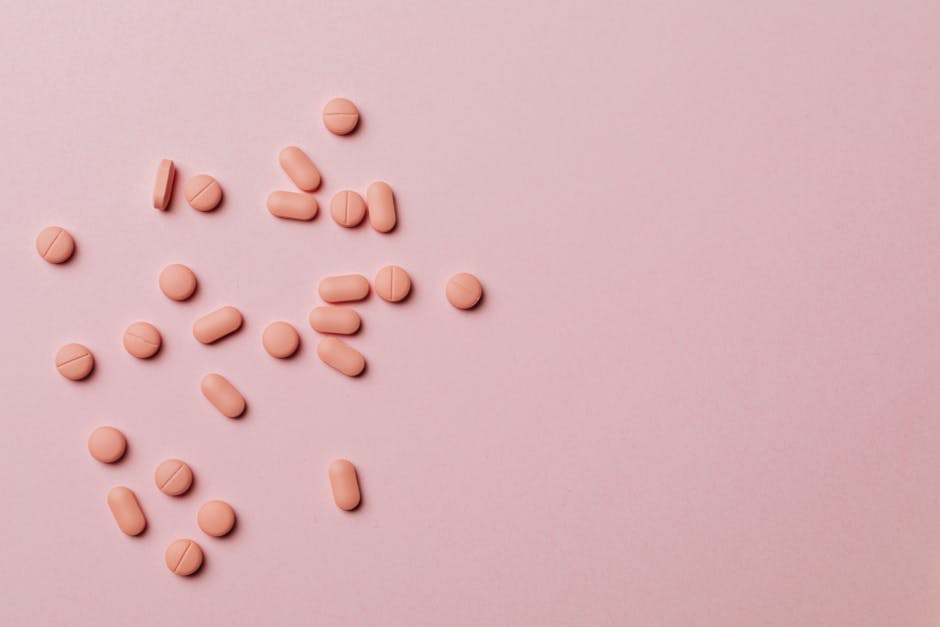
Photo by https://kaboompics.com/ via Pexels
Consider the story of Sarah, a 45-year-old teacher managing her type 2 diabetes with Zepbound. She struggled with remembering her evening doses until she started using a pill organizer and setting a daily alarm. Within weeks, she noticed improved control over her glucose levels and a more stable routine.
Frequently Asked Questions
What should I do if I miss a Zepbound dose while traveling?
If you miss a dose while traveling, follow the same guidelines: take it as soon as you remember unless it's close to your next dose. Consider carrying a travel-friendly medication organizer and setting multiple reminders to accommodate time zone changes.
Traveling can disrupt your usual routine, making it easier to forget doses. For instance, crossing time zones can confuse your internal clock. To combat this, adjust your medication alarm to the new local time as soon as you arrive. This adjustment helps maintain your dosing schedule and ensures you continue to receive the medication's benefits.
Can missing a dose cause side effects?
Missing a single dose is unlikely to cause side effects, but it may lead to less effective blood glucose control. Over time, inconsistent dosing might result in more pronounced fluctuations in glucose levels, which can affect your overall health.
Consider the physiological response: when a dose is missed, the body's glucose regulation can falter, potentially leading to hyperglycemic episodes. These episodes, if frequent, can contribute to long-term complications such as retinopathy or nephropathy. Therefore, maintaining dosing consistency is crucial for long-term health.
How does missing a dose affect my weight loss goals?
Missing doses can slow down your weight loss progress because Zepbound's effectiveness in controlling appetite and regulating metabolism relies on consistent dosing. Stick to your schedule to optimize weight management benefits.
A study published in the Journal of Clinical Endocrinology & Metabolism noted that patients who adhered strictly to their GLP-1 regimen experienced a 5% greater reduction in body weight over a year compared to those with irregular dosing patterns[8]. This statistic underscores the importance of adherence for achieving weight management goals.
Is it safe to double up on Zepbound doses if I miss one?
No, it's not safe to double up on doses. Doubling doses can increase the risk of side effects without enhancing the medication's effectiveness. If you miss a dose, skip it if it's close to the next scheduled dose.
What if I frequently forget my doses?
If you find yourself frequently missing doses, it's essential to address this pattern to ensure effective treatment. Consider discussing alternative dosing schedules with your healthcare provider. They may suggest adjustments or additional support tools to fit your lifestyle better.
Sources and References
[1] U.S. Food and Drug Administration. "Prescribing information for Zepbound." 2023.
[2] Nauck M, et al. "Glucagon-like peptide 1 receptor agonists in the treatment of type 2 diabetes: a rational approach." Nat Rev Endocrinol. 2021. https://www.nature.com/articles/s41574-021-00502-4
[3] American Diabetes Association. "Standards of Medical Care in Diabetes—2023." Diabetes Care. 2023.
[4] Meier JJ. "GLP-1 receptor agonists for individualized treatment of type 2 diabetes mellitus." Nat Rev Endocrinol. 2018. https://www.nature.com/articles/s41574-018-0048-7
[5] Wilding JPH, et al. "Once-Weekly Semaglutide in Adults with Overweight or Obesity." N Engl J Med. 2021;384(11):989-1002. https://www.nejm.org/doi/full/10.1056/NEJMoa2032183
[6] Davies M, et al. "Effect of liraglutide on cardiovascular outcomes in patients with type 2 diabetes." N Engl J Med. 2016;375(4):311-22. https://www.nejm.org/doi/full/10.1056/NEJMoa1603827
[7] Khunti K, et al. "Therapeutic inertia in the treatment of hyperglycaemia in patients with type 2 diabetes: A systematic review." Diabetes Obes Metab. 2018;20(2):427-437. https://pubmed.ncbi.nlm.nih.gov/28834075/
[8] Wadden TA, et al. "Effect of Medication Adherence on Weight Loss and Cardiometabolic Risk: Results from the Weight-Loss Maintenance Trial." J Clin Endocrinol Metab. 2020;105(1):e104-112. https://academic.oup.com/jcem/article/105/1/e104/5545688
Medical Disclaimer
This article is for informational purposes only and does not constitute medical advice. Always consult your healthcare provider for personalized guidance and treatment options.

Track your Zepbound journey
Log Zepbound doses, track weight loss, and manage your journey with JellyPal — free.