Understanding Semaglutide Injections for Weight Loss
Informational only — not medical advice. Key claims are drawn from peer-reviewed research cited at the end of this article. Always consult your healthcare provider.

Track your semaglutide journey
Whether Ozempic or Wegovy, track your semaglutide doses and progress with JellyPal — free.


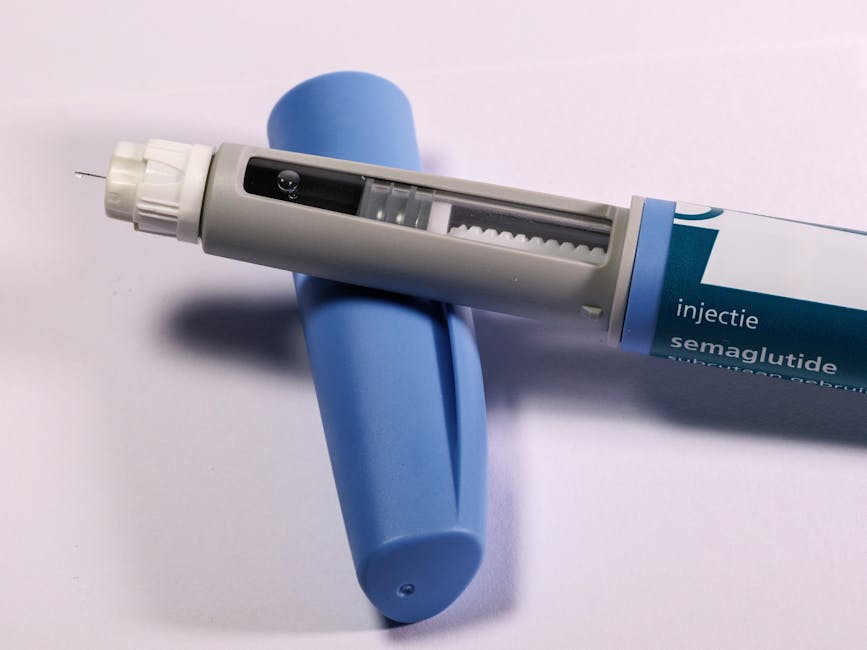
Photo by Haberdoedas Photography via Pexels
Quick Answer
Semaglutide injection for weight loss is an FDA-approved treatment that helps reduce body weight by mimicking a hormone that regulates appetite and food intake. Suitable for individuals with obesity or overweight with weight-related conditions, it can lead to significant weight loss but may have side effects such as nausea or diarrhea.
What is Semaglutide?
Semaglutide is a medication initially developed to manage type 2 diabetes. It belongs to a class of drugs known as GLP-1 receptor agonists. These medications mimic the action of a naturally occurring hormone called glucagon-like peptide-1 (GLP-1), which plays a crucial role in regulating blood sugar levels by enhancing insulin secretion and reducing glucagon release after meals. Semaglutide gained attention for its effectiveness in promoting weight loss, leading to its approval for this purpose under the brand name Wegovy.
Semaglutide's mechanism of action involves slowing gastric emptying and increasing feelings of fullness, which helps reduce overall calorie intake. This dual action makes it an effective tool in managing both blood sugar levels and body weight. In clinical trials, patients taking semaglutide experienced significant weight loss compared to those on placebo, prompting further research into its potential as a weight management therapy.
The approval of semaglutide for weight loss marks a significant advancement in obesity treatment, providing a medical option for individuals struggling with weight-related health issues. With obesity rates rising globally, semaglutide offers a promising solution for those who have not found success with lifestyle changes alone.
How Does Semaglutide Work?
Semaglutide works by binding to GLP-1 receptors in the brain, which are involved in appetite regulation. This binding action helps to decrease hunger and increase feelings of satiety, leading to reduced food intake. In addition, semaglutide slows down the rate at which the stomach empties, contributing to prolonged feelings of fullness after eating.
The effects of semaglutide on weight loss were demonstrated in the STEP (Semaglutide Treatment Effect in People with obesity) trials. In these studies, participants who received semaglutide lost an average of 14.9% of their body weight over 68 weeks, compared to just 2.4% in those who received a placebo [1]. This substantial difference underscores the medication's potential as a powerful tool in weight management.
Semaglutide's once-weekly injectable formulation also makes it a convenient option for patients, reducing the burden of daily medication adherence. This ease of use, coupled with its efficacy, positions semaglutide as a valuable addition to the arsenal of treatments available to combat obesity.
How Semaglutide Aids in Weight Loss
Mechanism of Action
Semaglutide aids in weight loss primarily by altering the body's natural appetite signals. By activating GLP-1 receptors in the brain, it helps reduce hunger and increase feelings of fullness. This can lead to a lower caloric intake, which is essential for weight loss. Additionally, semaglutide slows gastric emptying, meaning food stays in the stomach longer, enhancing satiety and reducing the urge to eat.
GLP-1's role extends beyond appetite regulation. It also influences the brain's reward system, which can alter cravings and food preferences, potentially leading to healthier eating habits. This multifaceted approach helps sustain weight loss over time, addressing both physiological and behavioral aspects of eating.
Clinical Trial Results
The efficacy of semaglutide for weight loss has been well-documented in clinical trials. The STEP 1 trial, for example, showed that participants lost an average of 14.9% of their body weight over a 68-week period [1]. This is a significant reduction, especially when compared to the placebo group, which saw only a 2.4% weight loss. Such results highlight the potential of semaglutide as a weight management solution for those struggling to achieve their weight loss goals through diet and exercise alone.
In another study published in the JAMA Network Open, researchers found that participants experienced improvements in cardiovascular risk factors, such as reductions in waist circumference and improvements in lipid profiles, alongside weight loss. This suggests that semaglutide's benefits extend beyond mere weight reduction, potentially enhancing overall metabolic health.
Real-World Implications
For a person weighing 200 pounds, a 14.9% reduction translates to nearly 30 pounds of weight loss. This level of weight reduction can have profound effects on overall health, potentially reducing the risk of weight-related conditions such as type 2 diabetes, hypertension, and cardiovascular disease. Furthermore, the psychological benefits of achieving such weight loss should not be underestimated, as they can lead to improved self-esteem and quality of life.
Weight loss of this magnitude can also have practical implications, such as improved mobility and reduced joint pain, which can enhance daily living activities. In addition, the reduction in medication burden for comorbid conditions like diabetes and hypertension can be a significant quality-of-life improvement for many individuals.

Photo by Mikhail Nilov via Pexels
Eligibility for Semaglutide Treatment
Who Can Use Semaglutide for Weight Loss?
Semaglutide is approved for weight management in adults with a body mass index (BMI) of 30 or greater (obesity), or 27 or greater (overweight) with at least one weight-related condition such as hypertension, type 2 diabetes, or dyslipidemia. It is important to note that semaglutide is intended to complement a reduced-calorie diet and increased physical activity, rather than replace them.
BMI is a key factor in determining eligibility, as it correlates with body fat and helps identify individuals at risk for weight-related health issues. By targeting those with elevated BMI and associated conditions, semaglutide aims to address both weight and its health impacts.
Medical Evaluation and Prescription
Before starting semaglutide, a thorough medical evaluation is necessary to ensure it is an appropriate treatment option. This evaluation typically involves assessing the patient's medical history, current medications, and potential risk factors for adverse effects. A healthcare provider will determine if semaglutide is suitable based on these factors and may adjust the treatment plan accordingly.
During the evaluation, healthcare providers may conduct blood tests to assess liver and kidney function, as these organs are involved in metabolizing and excreting the medication. Understanding a patient's baseline health status helps mitigate risks and tailor the treatment plan to individual needs, ensuring the best possible outcomes.
Considerations for Special Populations
Certain populations may require special consideration before starting semaglutide. For example, individuals with a history of pancreatitis or thyroid cancer should discuss these conditions with their healthcare provider, as semaglutide could potentially exacerbate these issues. Additionally, pregnant or breastfeeding women should avoid semaglutide due to the lack of sufficient safety data in these groups.
Older adults may also need careful evaluation due to potential changes in drug metabolism and increased sensitivity to side effects. Adjustments in dosing or more frequent monitoring may be necessary to ensure safety and efficacy in these populations.
Potential Side Effects and Risks
Common Side Effects
Like all medications, semaglutide can cause side effects. The most commonly reported side effects include nausea, vomiting, diarrhea, constipation, and abdominal pain. These side effects often occur when starting the medication and may diminish over time as the body adjusts. In clinical trials, nausea was reported by approximately 20% of participants during the first month of treatment [2].
Understanding these side effects is crucial for patients, as it helps set expectations and prepares them for the initial adjustment period. Healthcare providers typically recommend starting with a lower dose and gradually increasing it to mitigate these effects.
Serious Risks
While serious side effects are less common, they can occur. Possible serious risks include pancreatitis, gallbladder problems, and kidney damage. Symptoms such as severe stomach pain, persistent nausea, or vomiting should prompt immediate medical attention. Additionally, semaglutide may increase the risk of thyroid tumors, including medullary thyroid carcinoma, in some individuals [3].
Patients with a family history of thyroid cancer should discuss this with their healthcare provider. Regular monitoring through blood tests and imaging studies may be advised to detect any early signs of these serious conditions.
Long-Term Safety
The long-term safety of semaglutide is still being studied, but current data suggest that it is generally well-tolerated. However, ongoing monitoring and research are necessary to fully understand the long-term implications of using semaglutide for weight management. Patients should maintain regular follow-ups with their healthcare provider to monitor for any adverse effects or complications.
Long-term studies, such as those conducted by the FDA and independent researchers, continue to collect data on semaglutide's safety and efficacy. These studies help refine treatment protocols and ensure that patients receive the best possible care.
Frequently Asked Questions
How long does it take to see results with semaglutide?
Most patients begin to see weight loss results within the first few months of treatment. However, the full effects are usually observed after 68 weeks, as demonstrated in clinical trials [1]. The gradual nature of weight loss with semaglutide aligns with sustainable weight management principles, minimizing rapid weight fluctuations that can be harmful to health.
Is semaglutide safe for long-term use?
Current research suggests semaglutide is safe for long-term use under medical supervision, but ongoing studies continue to monitor its long-term safety profile [3]. Healthcare providers play a crucial role in monitoring patients and adjusting treatment as needed to ensure both safety and efficacy over time.
Can semaglutide be used for purposes other than weight loss?
Yes, semaglutide is also approved for managing type 2 diabetes under the brand name Ozempic. It helps control blood sugar levels in addition to promoting weight loss [4]. This dual functionality makes semaglutide a versatile option for patients with both diabetes and weight management needs.
What happens if a dose is missed?
If a dose is missed, it should be taken as soon as possible within the same week. If more than a week has passed, skip the missed dose and resume the regular schedule. Do not double up on doses. Consistency in dosing helps maintain the medication's efficacy and minimizes fluctuations in its effects.
Are there lifestyle changes required when taking semaglutide?
Yes, semaglutide should be used in conjunction with a reduced-calorie diet and increased physical activity for optimal results. These lifestyle changes enhance the medication's effects and contribute to long-term weight management success. Combining semaglutide with behavioral interventions, such as dietary counseling and exercise programs, can further improve outcomes.
How is semaglutide administered?
Semaglutide is administered as a subcutaneous injection, typically once a week. Patients are often trained to self-administer the injection in areas like the abdomen, thigh, or upper arm. This method of administration allows for steady medication levels in the body and convenience for patients.
Sources and References
[1] Wilding JPH, et al. "Once-Weekly Semaglutide in Adults with Overweight or Obesity." N Engl J Med. 2021;384(11):989-1002. https://www.nejm.org/doi/full/10.1056/NEJMoa2032183
[2] U.S. Food and Drug Administration. "Prescribing Information for Semaglutide." 2024.
[3] Marso SP, et al. "Semaglutide and Cardiovascular Outcomes in Patients with Type 2 Diabetes." N Engl J Med. 2016;375:1834-1844. https://www.nejm.org/doi/full/10.1056/NEJMoa1607141
[4] Davies MJ, et al. "Semaglutide as a Therapeutic Option for Type 2 Diabetes." Diabetes Care. 2018;41(12):2341-2348. https://care.diabetesjournals.org/content/41/12/2341
Medical Disclaimer
This article is for informational purposes only and is not a substitute for professional medical advice, diagnosis, or treatment. Always seek the advice of your physician or other qualified health provider with any questions you may have regarding a medical condition.

Track your semaglutide journey
Whether Ozempic or Wegovy, track your semaglutide doses and progress with JellyPal — free.