What to Know Before Starting GLP-1 Medications
Informational only — not medical advice. Key claims are drawn from peer-reviewed research cited at the end of this article. Always consult your healthcare provider.

Track your GLP-1 journey
Track doses, side effects, and progress with JellyPal — all in one free app.


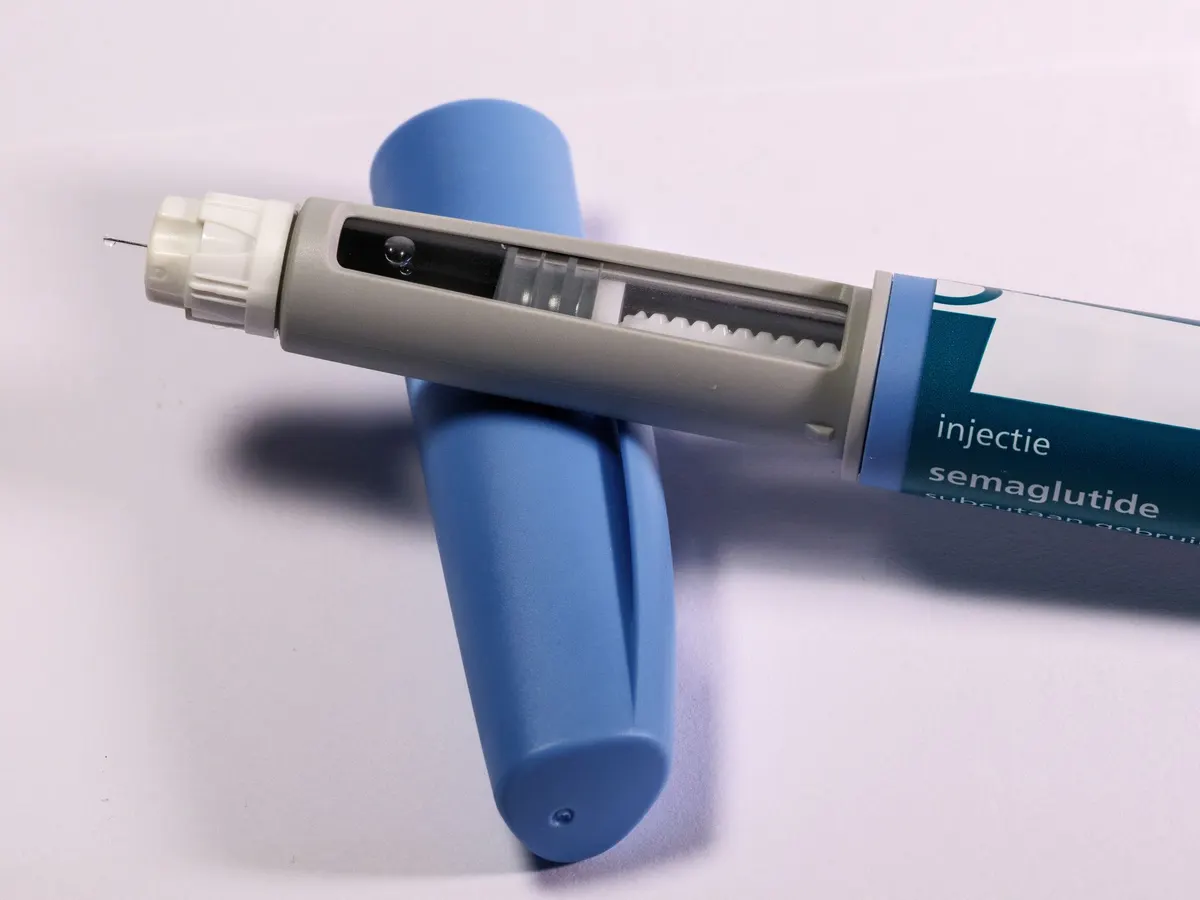
Photo by Haberdoedas Photography via Pexels
Quick Answer
Starting GLP-1 medications involves understanding their role in managing type 2 diabetes and obesity, considering potential side effects, and discussing your health history with a healthcare provider. These medications aid weight loss and blood sugar control by mimicking the incretin hormone, but require careful monitoring for optimal results.
Introduction to GLP-1 Medications
Glucagon-like peptide-1 (GLP-1) medications are a class of drugs that have revolutionized the management of type 2 diabetes and obesity. These medications work by mimicking a hormone called incretin, which helps regulate blood sugar levels and appetite. By enhancing insulin secretion and slowing gastric emptying, GLP-1 medications help control blood sugar and promote weight loss. Common drugs in this category include semaglutide, liraglutide, and tirzepatide, each with varying efficacy and dosing schedules.
The popularity of GLP-1 medications is largely due to their dual action in managing both blood glucose levels and body weight. For instance, the STEP 1 trial showed that adults with overweight or obesity but without diabetes who used semaglutide 2.4 mg experienced an average weight loss of 14.9% over 68 weeks[1]. This makes GLP-1 medications a compelling option for many people struggling with weight management.
However, starting GLP-1 medications isn't just about popping a pill or taking an injection. It involves a comprehensive understanding of how these drugs work, their benefits, potential side effects, and how they fit into your overall health plan. Knowing these aspects is crucial to maximizing the benefits of GLP-1 medications and ensuring safe usage.
Key Factors to Consider Before Starting
Are GLP-1 Medications Right for You?
Before starting GLP-1 medications, it's essential to determine if they are suitable for your health needs. These medications are primarily prescribed for individuals with type 2 diabetes who have not achieved desired blood sugar control with lifestyle changes and other medications. They are also used for weight management in patients with obesity or excess weight-related health issues.
Your healthcare provider will assess your medical history, current medications, and any underlying health conditions. For example, semaglutide (Ozempic) should not be used by people with a personal or family history of medullary thyroid carcinoma (a rare type of thyroid cancer) or multiple endocrine neoplasia syndrome type 2 (MEN 2), and its prescribing information warns about the risk of acute pancreatitis[2]. Discussing your full medical history ensures that GLP-1 medications are a safe choice for you.
Understanding the Dosing and Administration
GLP-1 medications are available in various forms, including daily or weekly injections and oral tablets. Understanding the dosing schedule is crucial for effective management. For instance, semaglutide is typically administered once a week, while liraglutide requires daily injections. Following the prescribed dosing schedule is vital to maintaining stable blood glucose levels and achieving weight loss goals.
Proper administration is also important. Injectable medications should be stored in a refrigerator at 36-46°F (2-8°C) until first use, and they should be injected into the abdomen, thigh, or upper arm. Incorrect storage or administration can reduce the efficacy of the medication.
Potential Side Effects and Interactions
Like any medication, GLP-1 drugs come with potential side effects. Common side effects include nausea, vomiting, and diarrhea, particularly when you first start the medication. In the LEAD-2 trial of liraglutide, for example, nausea was reported by 11% to 19% of participants taking liraglutide, compared with 3% to 4% of those on comparison treatments, and it declined over time[3]. It's important to communicate with your healthcare provider about any side effects you experience, as they may adjust your dose or suggest ways to mitigate these effects.
Additionally, GLP-1 medications can interact with other drugs. For instance, they may affect the absorption of oral medications due to delayed gastric emptying. Always inform your healthcare provider of all medications and supplements you are taking to avoid adverse interactions.
Cost and Insurance Coverage
The cost of GLP-1 medications can be a significant consideration. These medications can be expensive, and insurance coverage varies. Some insurance plans may cover part or all of the cost, while others may not cover them at all. It's important to check with your insurance provider and discuss affordability with your healthcare provider. There may be patient assistance programs available to help reduce out-of-pocket costs.
Common Concerns and Questions Answered
What are the Benefits of GLP-1 Medications?
The benefits of GLP-1 medications extend beyond blood sugar control. These drugs have been shown to significantly reduce body weight, improve cardiovascular outcomes, and lower the risk of diabetes-related complications. For example, the SUSTAIN-6 trial, in people with type 2 diabetes at high cardiovascular risk, found that weekly semaglutide (0.5 mg or 1 mg) lowered the risk of major cardiovascular events by 26% compared to placebo over two years[4]. These benefits make GLP-1 medications a valuable component of a comprehensive diabetes and weight management plan.
How Quickly Can You Expect Results?
One of the most common questions about starting GLP-1 medications is how soon results can be expected. While individual responses vary, many patients notice improvements in blood sugar levels within weeks. Weight loss results can take longer, with significant changes often observed after several months of consistent use. For instance, in the STEP 1 trial, the average weight loss of 14.9% was measured after 68 weeks of treatment[1].
Are There Lifestyle Changes to Consider?
Starting GLP-1 medications is not a substitute for a healthy lifestyle. These medications are most effective when combined with a balanced diet and regular physical activity. A diet rich in whole foods, lean proteins, and low in processed sugars can complement the effects of GLP-1 medications. Regular exercise, such as walking or cycling for at least 150 minutes a week, can further enhance weight loss and improve overall health outcomes.
What Should You Do If You Miss a Dose?
Missing a dose of your GLP-1 medication can happen, and it's important to know how to handle it. If you miss a dose, take it as soon as you remember, unless it is close to your next scheduled dose. In that case, skip the missed dose and resume your regular schedule. Do not double up on doses to make up for a missed one, as this can increase the risk of side effects.
How Can You Track Your Progress?
Tracking your progress is essential when starting GLP-1 medications. Using a GLP-1 medication tracker can help you log doses, monitor side effects, and record changes in weight and blood sugar levels. This information is valuable for both you and your healthcare provider to assess the effectiveness of the treatment and make necessary adjustments.
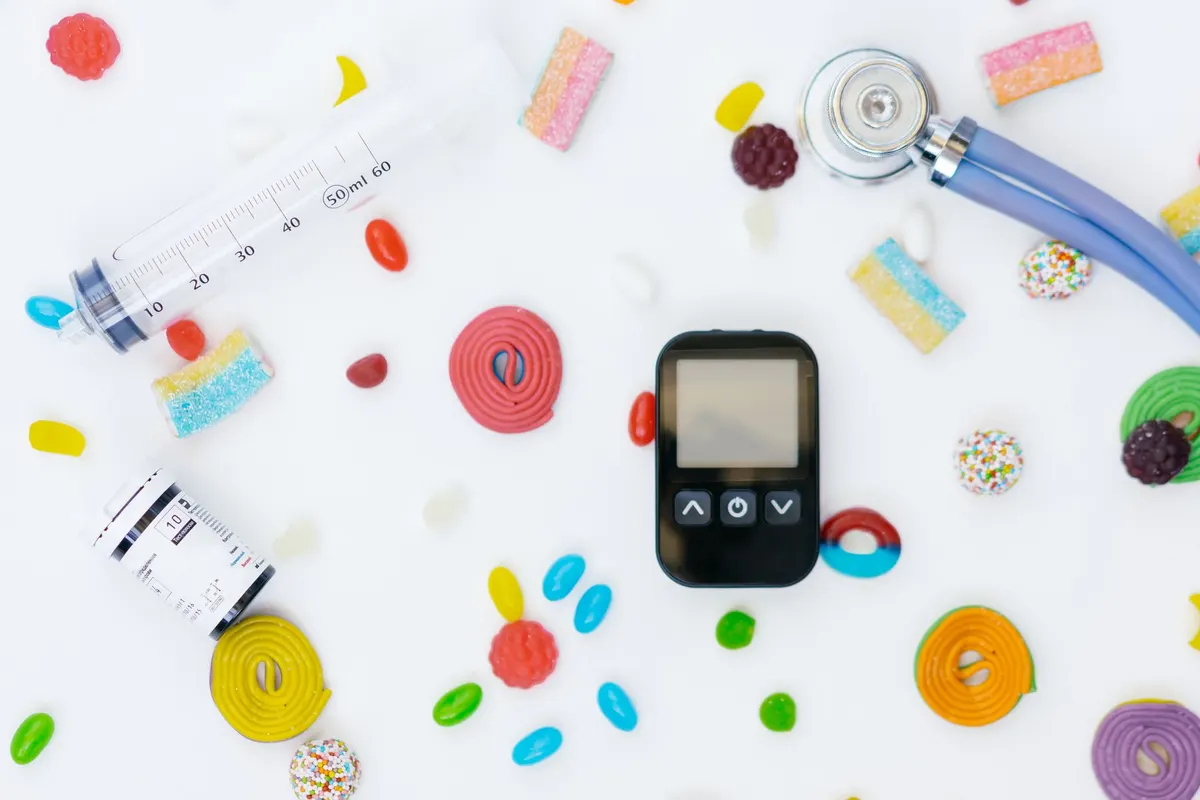
Photo by Mikhail Nilov via Pexels
Frequently Asked Questions
How do GLP-1 medications work in the body?
GLP-1 medications mimic the incretin hormone, which increases insulin secretion, decreases glucagon levels, and slows gastric emptying. This combined action helps lower blood sugar levels and promotes a feeling of fullness, aiding in weight loss.
Can GLP-1 medications be used for type 1 diabetes?
GLP-1 medications are not approved for use in type 1 diabetes. They are specifically designed for type 2 diabetes and weight management. Type 1 diabetes requires insulin therapy, as the body does not produce insulin.
Are GLP-1 medications safe during pregnancy?
GLP-1 medications are not recommended for use during pregnancy. If you are pregnant or planning to become pregnant, discuss alternative treatment options with your healthcare provider.
What happens if GLP-1 medications are not effective?
If GLP-1 medications do not provide the desired results, your healthcare provider may adjust the dosage or consider alternative treatments. It's important to have regular follow-ups to evaluate the effectiveness of the medication.
Can GLP-1 medications cause hypoglycemia?
GLP-1 medications alone have a low risk of causing hypoglycemia (low blood sugar). However, when combined with other diabetes medications like insulin or sulfonylureas, the risk may increase. Monitoring blood sugar levels is important to prevent hypoglycemia.
Can GLP-1 medications affect mental health?
While GLP-1 medications primarily target metabolic processes, some users report changes in mood. Research is ongoing to fully understand the link between GLP-1 medications and mental health. If you notice mood changes, discuss them with your healthcare provider.
How do GLP-1 medications interact with alcohol?
Alcohol can affect blood sugar levels and may increase the side effects of GLP-1 medications, such as nausea. It's advisable to limit alcohol intake and discuss your drinking habits with your healthcare provider to ensure safe use of GLP-1 medications.
Sources and References
[1] Wilding JPH, et al. "Once-Weekly Semaglutide in Adults with Overweight or Obesity." N Engl J Med. 2021;384(11):989-1002. https://www.nejm.org/doi/full/10.1056/NEJMoa2032183
[2] U.S. Food and Drug Administration. "Ozempic (semaglutide) Prescribing Information." DailyMed. dailymed.nlm.nih.gov
[3] Nauck M, et al. "Efficacy and safety comparison of liraglutide, glimepiride, and placebo, all in combination with metformin, in type 2 diabetes: the LEAD (liraglutide effect and action in diabetes)-2 study." Diabetes Care. 2009;32(1):84-90. https://doi.org/10.2337/dc08-1355
[4] Marso SP, et al. "Semaglutide and Cardiovascular Outcomes in Patients with Type 2 Diabetes." N Engl J Med. 2016;375(19):1834-1844. https://pubmed.ncbi.nlm.nih.gov/27633186/
Medical Disclaimer
This article is for informational purposes only and does not constitute medical advice. Always consult your healthcare provider before starting any new medication or treatment plan.

Track your GLP-1 journey
Track doses, side effects, and progress with JellyPal — all in one free app.