Understanding the Black Box Warning for Tirzepatide
Informational only — not medical advice. Key claims are drawn from peer-reviewed research cited at the end of this article. Always consult your healthcare provider.

Track your tirzepatide journey
Whether Mounjaro or Zepbound, track your tirzepatide doses and progress with JellyPal — free.


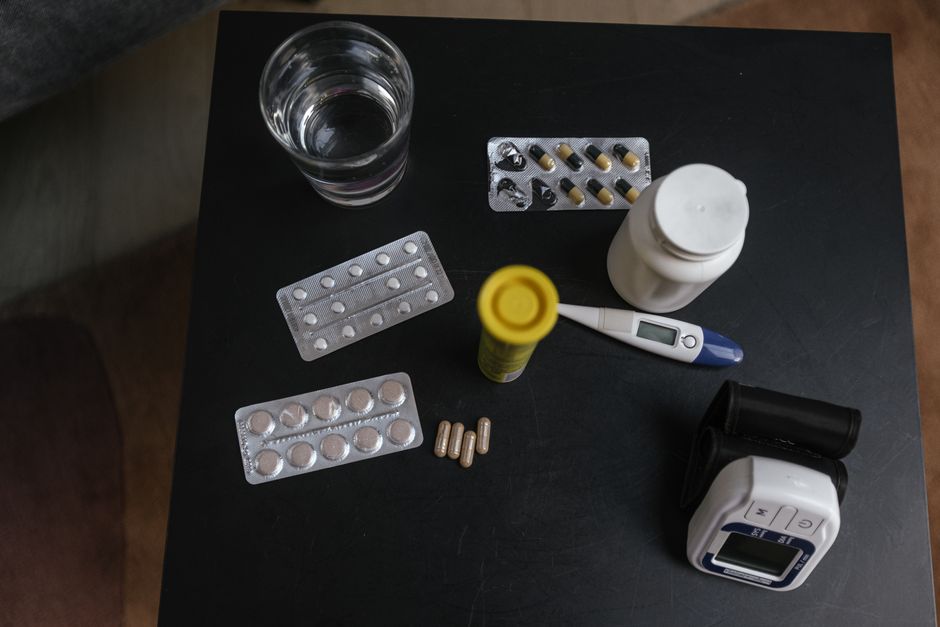
Photo by SHVETS production via Pexels
Quick Answer
The black box warning for Tirzepatide highlights a potential risk for thyroid C-cell tumors, which were observed in animal studies. Patients should discuss this warning with their healthcare provider to understand its implications for their treatment plan. Alternatives exist, and informed decision-making is crucial to weigh benefits and risks.
Starting a new medication can be daunting, especially when there's a black box warning involved. Tirzepatide, a promising GLP-1 receptor agonist, has garnered attention for its efficacy in managing type 2 diabetes and promoting weight loss. However, understanding the black box warning for Tirzepatide is essential for making informed health decisions. Let's explore what this warning means and how it might impact your treatment journey.
What is a Black Box Warning?
Definition and Purpose
A black box warning, also known as a boxed warning, is the most stringent warning issued by the U.S. Food and Drug Administration (FDA) for prescription drugs. It appears on the drug's label to alert healthcare providers and patients about serious or life-threatening risks associated with the medication. This type of warning is intended to ensure that both prescribers and patients are fully informed about potential dangers, enabling them to weigh these risks against the benefits of the drug.
Historical Context
The concept of black box warnings was introduced in the 1970s as a response to growing concerns over drug safety. It serves as a critical communication tool, emphasizing important safety information that might affect prescribing decisions. Over the years, these warnings have played a pivotal role in preventing adverse drug reactions by ensuring that high-risk medications are prescribed judiciously and with appropriate patient counseling.
For instance, the introduction of black box warnings led to a more cautious approach in prescribing medications like antidepressants and antipsychotics, especially in populations such as children and the elderly. These warnings have been instrumental in reducing incidents of severe side effects, highlighting their importance in clinical practice.
Significance for Patients
For patients, a black box warning is a signal to engage in a thorough discussion with their healthcare provider. It should prompt questions about the nature of the risk, how it applies to their personal health profile, and what monitoring or precautions might be necessary. While the presence of a black box warning might be concerning, it doesn't automatically mean that a medication is unsafe; rather, it highlights the need for careful consideration and management.
Patients should understand that the existence of a black box warning serves as a reminder to adhere strictly to prescribed guidelines and to report any unusual symptoms promptly. For example, if a patient notices any new or worsening symptoms after starting a medication with a black box warning, such as unexplained weight gain or persistent nausea, they should contact their healthcare provider immediately. This proactive approach can help mitigate risks and ensure that any potential issues are addressed quickly.
Specific Risks Associated with Tirzepatide
Thyroid C-cell Tumors
The black box warning for Tirzepatide specifically mentions an increased risk of thyroid C-cell tumors. This warning is based on findings from animal studies where rodents developed such tumors after being administered Tirzepatide. It's important to note that while these results raise concerns, similar effects have not been definitively observed in humans[1].
In these studies, rodents were given doses of Tirzepatide that were significantly higher than those typically used in humans. For example, the doses administered to rodents were often several times the maximum recommended human dose, raising questions about the applicability of these findings to human patients. Despite this, the FDA requires ongoing vigilance and monitoring for signs of thyroid tumors in patients taking Tirzepatide.
Implications for Human Use
The translation of these findings from animals to humans remains uncertain. However, the FDA requires this warning to ensure patients and providers remain vigilant. The warning advises against using Tirzepatide in individuals with a personal or family history of medullary thyroid carcinoma or multiple endocrine neoplasia syndrome type 2 (MEN 2), as they may be at increased risk[2].
This precaution is particularly important because medullary thyroid carcinoma, although rare, can be aggressive and challenging to treat. For instance, the American Cancer Society estimates that about 2% of thyroid cancers are medullary thyroid carcinomas, highlighting the importance of early detection and intervention.
Monitoring and Precautions
Patients using Tirzepatide should be monitored for any signs of thyroid tumors, such as a lump in the neck, difficulty swallowing, or persistent hoarseness. Regular follow-ups with healthcare providers are crucial to promptly address any concerns. Discussing personal and family medical history with a healthcare provider can help determine the appropriateness of Tirzepatide for individual cases.
Healthcare providers may recommend periodic ultrasound examinations of the thyroid gland to monitor for any changes. Additionally, patients should be educated on self-examinations to detect any unusual lumps or swelling in the neck area. This proactive approach can facilitate early detection and intervention, should any thyroid-related issues arise.
This warning is not unique to tirzepatide — every GLP-1 medication carries it. For the class-wide picture covering Ozempic, Wegovy, Mounjaro, and Zepbound, see our GLP-1 black box warning guide.
How to Interpret the Warning for Your Treatment
Discussing with Healthcare Providers
Understanding the black box warning for Tirzepatide requires a collaborative approach with your healthcare provider. They can provide personalized insights based on your medical history, current health status, and treatment goals. It's essential to ask about the likelihood of the risks and what safety measures will be in place to mitigate them.
During consultations, patients should prepare a list of questions to discuss with their healthcare provider. Examples include: "What specific symptoms should I look out for?" and "How often should I have follow-up appointments?" Such questions can help clarify the treatment plan and ensure that patients feel confident in their healthcare decisions.
Weighing Risks and Benefits
While the black box warning highlights potential risks, it's also important to consider the benefits Tirzepatide offers. This medication has been shown to effectively lower blood sugar levels and support weight loss, which can significantly improve quality of life for individuals with type 2 diabetes[3]. Balancing these benefits against the risks is a key part of the decision-making process.
For example, a study published in the New England Journal of Medicine demonstrated that patients taking Tirzepatide experienced an average weight loss of 15% over 72 weeks, along with significant improvements in blood glucose control. These benefits can lead to a reduced risk of diabetes-related complications, such as cardiovascular disease and neuropathy, underscoring the importance of considering the overall impact of the medication on long-term health outcomes.
Making Informed Decisions
Informed decision-making involves understanding all available options. If Tirzepatide is deemed suitable, ensure that you are comfortable with the monitoring plan and any lifestyle changes that may be recommended. If concerns persist, discussing alternative treatments with your provider can help find a solution that aligns with your health needs and preferences.
Patients should also consider seeking a second opinion if they are unsure about starting Tirzepatide. Consulting another healthcare provider can provide additional perspectives and help patients feel more confident in their treatment choices. Additionally, using resources like patient support groups can offer valuable insights and experiences from others who have faced similar decisions.
Alternatives and Considerations for Informed Decision-Making
Exploring Other GLP-1 Receptor Agonists
If the black box warning for Tirzepatide raises concerns, other GLP-1 receptor agonists like semaglutide (Ozempic, Wegovy) or dulaglutide (Trulicity) might be considered[4]. Each medication has its own profile of benefits and risks, and a healthcare provider can help determine which option best suits your health objectives.
For instance, semaglutide has been shown to reduce the risk of major cardiovascular events in patients with type 2 diabetes, making it a suitable option for individuals with a history of heart disease. Understanding the unique benefits of each medication can help patients make choices that align with their specific health goals.
Non-GLP-1 Options
Beyond GLP-1 receptor agonists, there are other classes of medications for managing type 2 diabetes, such as SGLT2 inhibitors (e.g., empagliflozin, canagliflozin) or DPP-4 inhibitors (e.g., sitagliptin, saxagliptin). These alternatives do not carry the same black box warning and may offer a different safety profile.
SGLT2 inhibitors, for example, have been associated with a reduced risk of hospitalization for heart failure and a slower progression of kidney disease in patients with type 2 diabetes. Discussing these options with a healthcare provider can help determine the best fit based on individual health needs and risk factors.
Lifestyle and Monitoring
Regardless of medication choice, lifestyle interventions remain a cornerstone of diabetes management. A balanced diet, regular physical activity, and routine monitoring of blood sugar levels are crucial components of any treatment plan. Using a GLP-1 medication tracker can help keep track of doses and potential side effects, facilitating a proactive approach to health management.
Incorporating lifestyle changes, such as adopting a Mediterranean diet or engaging in regular aerobic exercise, can enhance the effectiveness of diabetes medications and improve overall health outcomes. Patients should work closely with their healthcare team to develop a personalized plan that addresses both medication and lifestyle strategies.

Photo by RDNE Stock project via Pexels
Frequently Asked Questions
What is the black box warning for Tirzepatide?
The black box warning for Tirzepatide highlights a potential risk for thyroid C-cell tumors, based on animal studies. It advises against use in individuals with a personal or family history of specific thyroid cancers.
Are thyroid C-cell tumors common with Tirzepatide?
Thyroid C-cell tumors have been observed in rodent studies but are not confirmed in humans. The warning is precautionary, and monitoring is recommended for any thyroid-related symptoms.
Can I still use Tirzepatide if I have a family history of thyroid cancer?
If you have a family history of medullary thyroid carcinoma or multiple endocrine neoplasia syndrome type 2, it's important to discuss this with your healthcare provider, as Tirzepatide may not be suitable.
What are the alternatives to Tirzepatide?
Alternatives include other GLP-1 receptor agonists like semaglutide and dulaglutide, as well as medications from other classes like SGLT2 inhibitors and DPP-4 inhibitors.
How should I monitor for side effects of Tirzepatide?
Regular check-ups with your healthcare provider are important. Be vigilant for symptoms like neck lumps or difficulty swallowing, and report any concerns promptly.
What lifestyle changes can support my treatment with Tirzepatide?
Incorporating a balanced diet, regular exercise, and proper stress management can enhance the effectiveness of Tirzepatide. These lifestyle changes help improve overall health and diabetes management.
Sources and References
[1] U.S. Food and Drug Administration. "Tirzepatide Prescribing Information." 2023.
[2] National Institutes of Health. "Medullary Thyroid Carcinoma." 2023.
[3] Jastreboff AM, et al. "Tirzepatide Once Weekly for the Treatment of Obesity." N Engl J Med. 2022. https://www.nejm.org/doi/full/10.1056/NEJMoa2206038
[4] Wilding JPH, et al. "Once-Weekly Semaglutide in Adults with Overweight or Obesity." N Engl J Med. 2021;384(11):989-1002. https://www.nejm.org/doi/full/10.1056/NEJMoa2032183
Medical Disclaimer
This article is for informational purposes only and should not be considered medical advice. Always consult your healthcare provider before making any changes to your medication or treatment plan.

Track your tirzepatide journey
Whether Mounjaro or Zepbound, track your tirzepatide doses and progress with JellyPal — free.