Does Insurance Cover GLP-1 Drugs in 2026?
Informational only — not medical advice. Key claims are drawn from peer-reviewed research cited at the end of this article. Always consult your healthcare provider.

Track your GLP-1 journey
Join thousands using JellyPal to track doses, side effects, and progress — all in one free app.


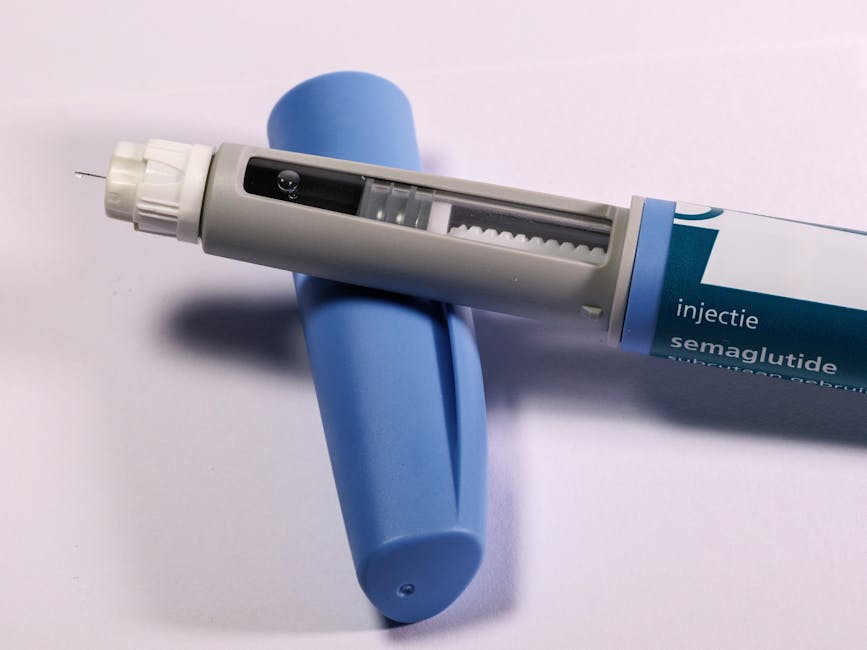
Photo by Haberdoedas Photography via Pexels
Quick Answer
In 2026, whether insurance covers GLP-1 drugs depends on your specific plan. While some policies may include these medications, others might not. It's crucial to review your insurance details and consult with your provider to confirm coverage.
Overview of Insurance and GLP-1 Medications
GLP-1 drugs, such as semaglutide and tirzepatide, are increasingly used for managing type 2 diabetes and obesity. These medications mimic the incretin hormone GLP-1, which stimulates insulin secretion and slows gastric emptying, helping to regulate blood sugar and promote weight loss[1]. Due to their effectiveness, the demand for GLP-1 drugs has surged, prompting questions like "does insurance cover GLP-1 drugs?"
Insurance coverage for GLP-1 medications often varies significantly. Typically, insurance plans fall into several categories: private insurance, Medicare, and Medicaid. Private insurers may offer coverage based on employer-negotiated benefits or individual policies. Medicare Part D plans can cover these drugs, but coverage depends on the formulary of each plan. Medicaid coverage varies by state, with some states offering better access to these medications than others.
The cost of GLP-1 drugs can be substantial without insurance. For example, the monthly cost of semaglutide can exceed $1,000 if not covered[2]. Therefore, understanding your insurance policy is critical to managing both health and finances effectively.
Understanding GLP-1 Mechanisms and Benefits
GLP-1 drugs work by enhancing the body's natural incretin hormones. These hormones play a crucial role in glucose metabolism by increasing insulin secretion in response to meals and decreasing glucagon levels, which in turn reduces hepatic glucose production. This dual action helps maintain blood glucose levels within a normal range and reduces the risk of hyperglycemia.
Moreover, GLP-1 medications have been shown to have cardiovascular benefits. For instance, in a study published in the New England Journal of Medicine, semaglutide was associated with a significant reduction in major adverse cardiovascular events in patients with type 2 diabetes[3]. These additional health benefits contribute to the growing interest in these drugs, not only for diabetes management but also for reducing cardiovascular risk.
Policy Changes Expected in 2026
As we approach 2026, several policy changes could impact the coverage of GLP-1 drugs. The increasing prevalence of obesity and type 2 diabetes has prompted discussions about expanding access to effective treatments like GLP-1 medications.
Potential Legislative Changes
In recent years, legislative efforts have been made to improve access to necessary medications. The Affordable Care Act's influence on insurance policies continues, and further modifications could emerge to mandate broader coverage for weight management drugs, including GLP-1 medications. Policymakers are likely evaluating the cost-benefit balance of covering these drugs, given their potential to reduce long-term healthcare costs by managing chronic conditions effectively.
For example, the Treat and Reduce Obesity Act, reintroduced in Congress in previous years, aimed to expand Medicare coverage for obesity treatment, including medications like GLP-1 drugs. If passed, such legislation could set a precedent for broader insurance coverage across various insurance plans[4].
Insurance Industry Adjustments
Insurance companies may adjust their formularies and coverage options in response to market demand and legislative changes. As the efficacy of GLP-1 drugs becomes more evident, insurers might expand coverage to include these medications, recognizing their role in preventing complications associated with diabetes and obesity.
According to a report by the Kaiser Family Foundation, about 49% of employer-based insurance plans included coverage for obesity treatment medications by 2023, a number expected to increase as more insurers recognize the long-term cost savings associated with effective weight management[5].
Pharmaceutical Developments
Pharmaceutical companies are actively researching and developing new GLP-1 drugs, which might influence insurance coverage. Newer, more effective drugs might enter the market, potentially lowering costs through competition or prompting insurers to include these options in their formularies.
For instance, the development of oral GLP-1 receptor agonists could revolutionize patient adherence and acceptance. With easier administration, these new formulations might encourage insurers to broaden coverage due to anticipated higher patient compliance and improved outcomes.
Steps to Check Your Insurance Coverage
Navigating insurance coverage for GLP-1 drugs can be daunting. Here's a step-by-step guide to help you determine if your plan covers these medications:
1. Review Your Insurance Policy
Start by thoroughly reviewing your insurance policy documents. Look for sections on prescription drug coverage, and identify if GLP-1 medications are mentioned. Pay attention to any specific requirements, such as prior authorization or step therapy.
For instance, some plans may require you to try and fail on other antidiabetic medications before approving GLP-1 drugs, a practice known as step therapy. Understanding these details can help you prepare for potential hurdles.
2. Contact Your Insurance Provider
Reach out to your insurance provider directly. Use the customer service number on your insurance card to speak with a representative. Ask specific questions about coverage for GLP-1 drugs, including any copays, deductibles, or restrictions.
When speaking with a representative, inquire about any changes expected in your plan for the upcoming year. Insurance companies often update their formularies annually, which could affect coverage for certain medications.
3. Consult with Your Healthcare Provider
Discuss your treatment plan with your healthcare provider. They can provide insight into which GLP-1 drugs are most appropriate for your condition and may help advocate for coverage with your insurance company. Some providers can also assist with completing necessary paperwork for prior authorizations.
Healthcare providers often have dedicated staff to assist with insurance issues, ensuring that all necessary clinical justifications are provided to insurance companies.
4. Explore Assistance Programs
If your insurance does not cover GLP-1 medications, consider exploring patient assistance programs offered by pharmaceutical companies. These programs can provide significant discounts or even free medications for those who qualify based on income or insurance status.
For example, Novo Nordisk offers a patient assistance program that provides free medications to eligible patients. Criteria typically include income limits and lack of insurance coverage for the medication.
5. Use a GLP-1 Medication Tracker
use a GLP-1 medication tracker to keep records of your prescriptions, dosages, and any side effects. This information can be vital when discussing coverage options with your insurance provider or healthcare team.
A medication tracker can also help you monitor your progress and adherence, providing tangible data that can support your case for continued or expanded coverage.
Frequently Asked Questions
What if my insurance doesn't cover GLP-1 drugs?
If your insurance does not cover GLP-1 drugs, explore patient assistance programs offered by pharmaceutical companies or consider generic alternatives. Consulting with your healthcare provider about alternative treatment plans may also be beneficial.
Additionally, some states have specific programs that offer assistance with prescription medications. Check if your state provides any such resources that could help reduce out-of-pocket costs.
Are there generic versions of GLP-1 drugs available?
As of now, there are no generic versions of GLP-1 drugs like semaglutide or tirzepatide. However, ongoing research and patent expirations may lead to generics becoming available in the future, potentially reducing costs.
The patent for semaglutide is expected to expire in the late 2020s, which could pave the way for generic versions, lowering costs and increasing access.
How can I get GLP-1 drugs at a lower cost?
To lower costs, check for manufacturer coupons, patient assistance programs, or state-specific Medicaid options. Also, consider discussing alternative therapies with your healthcare provider that might be more affordable.
Some pharmacies offer discount programs that can reduce the cost of prescriptions, even for those with insurance. It's worth comparing prices at different pharmacies to find the best deal.
Does Medicare cover GLP-1 drugs?
Medicare Part D plans may cover GLP-1 drugs, but it depends on the specific plan formulary. Review your plan's details or contact your plan provider to confirm coverage and understand any associated costs.
Medicare Advantage plans may also offer additional benefits, including enhanced drug coverage, which could include GLP-1 medications. Comparing different plans during open enrollment can help you find one that suits your needs.
What should I do if a prior authorization is required?
If a prior authorization is required, work closely with your healthcare provider to complete the necessary paperwork. Ensure all required information is submitted promptly to avoid delays in receiving your medication.
Be proactive in following up with both your provider and insurance company to track the progress of your authorization request. Delays can occur, and staying informed can help expedite the process.
What are the common side effects of GLP-1 drugs?
Common side effects of GLP-1 drugs include nausea, vomiting, diarrhea, and constipation. These symptoms often diminish over time as your body adjusts to the medication. In clinical trials, about 20-30% of patients reported gastrointestinal symptoms, which typically improve within the first few weeks of treatment[6].
Sources and References
[1] U.S. Food and Drug Administration. "Prescribing information for semaglutide." 2024.
[2] Wilding JPH, et al. "Once-Weekly Semaglutide in Adults with Overweight or Obesity." N Engl J Med. 2021;384(11):989-1002. https://www.nejm.org/doi/full/10.1056/NEJMoa2032183
[3] Marso SP, et al. "Liraglutide and Cardiovascular Outcomes in Type 2 Diabetes." N Engl J Med. 2016;375(4):311-322. https://www.nejm.org/doi/full/10.1056/NEJMoa1603827
[4] Congress.gov. "H.R.1953 - Treat and Reduce Obesity Act of 2021."
[5] Kaiser Family Foundation. "Employer Health Benefits Annual Survey." 2023. https://www.kff.org/report-section/ehbs-2023-section-9-prescription-drug-benefits/
[6] Nauck MA, et al. "Efficacy and Safety of Once-Weekly Semaglutide vs Exenatide ER in Subjects with Type 2 Diabetes." Diabetes Care. 2016;39(2):221-228. https://doi.org/10.2337/dc15-0165
Medical Disclaimer
This article is for informational purposes only and does not constitute medical advice. Always consult with a healthcare professional before starting any new medication or treatment.

Track your GLP-1 journey
Join thousands using JellyPal to track doses, side effects, and progress — all in one free app.