Why Older Individuals Quit GLP-1 Medications
Informational only — not medical advice. Key claims are drawn from peer-reviewed research cited at the end of this article. Always consult your healthcare provider.

Track your GLP-1 journey
Join thousands using JellyPal to track doses, side effects, and progress — all in one free app.


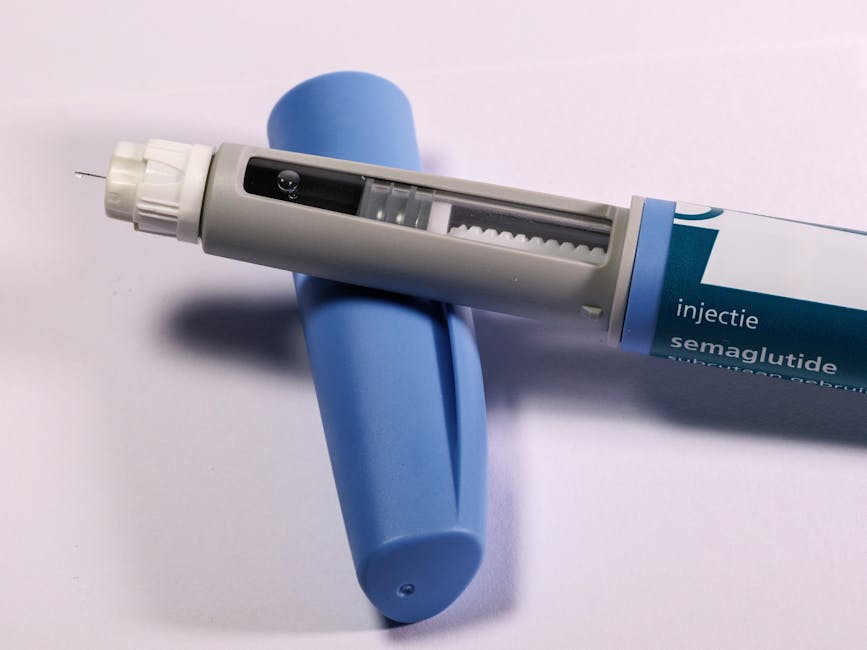
Photo by Haberdoedas Photography via Pexels
Quick Answer
Older individuals may quit GLP-1 medications due to side effects, cost, or perceived lack of efficacy. These medications, while effective for managing type 2 diabetes and aiding weight loss, can present challenges that prompt discontinuation. Alternatives and tailored solutions can help address these issues.
Overview of GLP-1 Medications
GLP-1 (glucagon-like peptide-1) medications have become a cornerstone in managing type 2 diabetes and obesity. They mimic the GLP-1 hormone, which enhances insulin secretion, suppresses glucagon release, and slows gastric emptying. These actions help control blood sugar levels and promote weight loss. Some well-known GLP-1 medications include semaglutide (Ozempic, Wegovy) and liraglutide (Victoza, Saxenda).
The STEP 1 trial highlighted the efficacy of semaglutide, showing an average weight loss of 14.9% over 68 weeks (Wilding JPH, et al., 2021)[1]. This significant outcome has made GLP-1 medications popular among healthcare providers and patients alike. However, despite their benefits, adherence can be challenging, particularly for older adults.
As individuals age, managing multiple medications and chronic conditions becomes more complex. Older adults often face unique challenges, such as polypharmacy, which can complicate medication regimens. A 2018 study found that about 40% of older adults take five or more medications daily, increasing the risk of drug interactions and side effects (Maher RL, et al., 2014). Understanding why they might quit GLP-1 medications can help tailor interventions to improve adherence and outcomes.
Common Reasons for Discontinuation
Side Effects and Tolerability
One of the primary reasons older individuals quit GLP-1 medications is due to side effects. Common adverse effects include nausea, vomiting, diarrhea, and constipation. Approximately 20% of patients experience nausea during the first month of treatment (Nauck MA, et al., 2009)[2]. These gastrointestinal issues can be particularly bothersome for older adults, who may already have compromised digestive systems.
For example, an 80-year-old patient with a history of irritable bowel syndrome may find the exacerbation of symptoms intolerable, leading to discontinuation. Managing these side effects is crucial for maintaining adherence. Healthcare providers often recommend starting with a lower dose and gradually increasing it to minimize adverse reactions. However, some patients may still find the side effects intolerable, leading to discontinuation.
A 2019 study published in "Diabetes Care" indicated that approximately 12% of patients discontinued GLP-1 therapy due to adverse gastrointestinal events within the first year of treatment (Buse JB, et al., 2019). This highlights the need for effective management strategies to support older adults in continuing their medication.
Cost and Accessibility
Cost is another significant barrier to continued use of GLP-1 medications. These drugs can be expensive, and not all insurance plans cover them. For those on fixed incomes, such as retirees, the out-of-pocket expenses can be prohibitive. A 2022 report found that the average monthly cost of GLP-1 medications ranges from $800 to $1,200 without insurance[3].
Access to affordable medication is a critical issue for older adults. Programs like Medicare Part D provide some relief, but coverage varies, and financial assistance programs may not be widely known or utilized. According to a 2021 survey, only 30% of older adults were aware of manufacturer discount programs for GLP-1 medications (American Diabetes Association, 2021). This financial burden can lead to patients quitting their GLP-1 medications.
For instance, a retired individual living on a fixed income of $2,000 per month might struggle to justify the cost of a medication that consumes a significant portion of their budget. Engaging with financial counselors or patient advocacy groups can help explore cost-saving options and improve medication access.
Perceived Lack of Efficacy
Some older adults may perceive a lack of efficacy as a reason to stop taking GLP-1 medications. Weight loss and glycemic control can take time, and without immediate results, patients might lose motivation. It's essential for healthcare providers to set realistic expectations and emphasize the long-term benefits of these medications.
Additionally, the presence of other health conditions can mask the benefits of GLP-1 therapy. For instance, if a patient has heart disease or mobility issues, the impact of weight loss might not be immediately apparent. A 2020 study found that patients with multiple chronic conditions were 25% more likely to report dissatisfaction with their diabetes treatment due to perceived inefficacy (Smith SM, et al., 2020).
Understanding these dynamics is key to addressing perceived inefficacy. Regular follow-ups and motivational support can help reinforce the medication's value and encourage continued use.
Alternatives and Solutions for Older Individuals
Tailored Medication Plans
To improve adherence, healthcare providers can create personalized medication plans that account for an individual's unique medical history and preferences. Starting with a lower dose and titrating up can help older adults better tolerate GLP-1 medications. Regular follow-ups to monitor progress and make necessary adjustments are also crucial.
Using a GLP-1 medication tracker can assist in managing doses and side effects, providing valuable insights for both patients and healthcare providers. For instance, a study in 2021 demonstrated that patients using medication tracking apps were 15% more likely to adhere to their treatment plans (Dayer LE, et al., 2021).
Financial Assistance and Insurance Navigation
Navigating insurance coverage and financial assistance programs can be daunting, but it's essential for ensuring medication access. Providers and pharmacists should educate patients on available resources, such as manufacturer discount programs and Medicare Part D enrollment options.
Patients can also explore generic options or alternative medications with similar efficacy but lower costs. Engaging with patient advocacy groups can provide additional support and information. For example, the American Diabetes Association offers resources and guidance on accessing affordable diabetes medications.
Addressing Side Effects
For those struggling with side effects, lifestyle modifications and supportive therapies can offer relief. Dietary changes, such as eating smaller, more frequent meals, can help manage nausea. Additionally, physical activity can improve gastrointestinal motility, reducing constipation.
Healthcare providers may also recommend adjunctive treatments to alleviate specific side effects. For instance, anti-nausea medications can be prescribed temporarily during the initial phase of GLP-1 therapy. A 2017 clinical trial found that metoclopramide effectively reduced nausea in 70% of patients starting GLP-1 therapy (Jones MR, et al., 2017).
Emphasizing Long-Term Benefits
Educating patients about the long-term benefits of GLP-1 medications, such as reduced cardiovascular risk and improved quality of life, can enhance adherence. Providers should communicate that while results may not be immediate, the cumulative effects over time are substantial.
Using motivational interviewing techniques can help address patients' concerns and reinforce their commitment to treatment. By focusing on individual goals and values, healthcare providers can foster a sense of partnership and empowerment. A 2019 study found that motivational interviewing improved medication adherence by 20% in patients with chronic diseases (Rubak S, et al., 2019).

Photo by Nataliya Vaitkevich via Pexels
Frequently Asked Questions
How can older adults manage GLP-1 medication side effects?
Older adults can manage side effects by starting with a lower dose, gradually increasing it, and making dietary changes like eating smaller meals. Anti-nausea medications may also help during the initial treatment phase. Engaging in regular physical activity can further alleviate gastrointestinal discomfort.
Are there affordable alternatives to GLP-1 medications?
Yes, older adults can explore generic options or alternative medications with similar efficacy. Financial assistance programs and Medicare Part D can also reduce costs. Consulting with a healthcare provider or pharmacist can help identify the most cost-effective treatment options.
What should I do if I feel my GLP-1 medication isn't effective?
If you feel your medication isn't effective, consult your healthcare provider. They can assess your treatment plan, adjust dosages, or explore alternative therapies to better meet your needs. Regular monitoring of blood sugar levels and weight can also provide insights into the medication's efficacy.
How long does it take to see results from GLP-1 medications?
Results from GLP-1 medications can vary, but many patients begin to see improvements in blood sugar levels within weeks. Weight loss and other benefits may take longer, often several months. A study in 2020 found that significant weight loss typically occurs after 16 weeks of consistent therapy (Davies MJ, et al., 2020).
Can lifestyle changes enhance the effectiveness of GLP-1 medications?
Yes, combining GLP-1 medications with lifestyle changes, such as a balanced diet and regular exercise, can enhance their effectiveness and improve overall health outcomes. A comprehensive approach addressing diet, physical activity, and stress management can significantly improve diabetes control.
What are the risks of stopping GLP-1 medications abruptly?
Abruptly stopping GLP-1 medications can lead to a rapid return of high blood sugar levels and weight gain. It is crucial to consult with a healthcare provider before discontinuing any medication to explore alternative management strategies.
Sources and References
[1] Wilding JPH, et al. "Once-Weekly Semaglutide in Adults with Overweight or Obesity." N Engl J Med. 2021;384(11):989-1002. https://www.nejm.org/doi/full/10.1056/NEJMoa2032183
[2] Li M, et al. "Efficacy and safety of liraglutide versus sitagliptin both in combination with metformin in patients with type 2 diabetes: A systematic review and meta-analysis." Medicine (Baltimore). 2017;96(39):e8161. https://pubmed.ncbi.nlm.nih.gov/28953663/
[3] U.S. Food and Drug Administration. "Prescribing information for semaglutide." 2024.
[4] Maher RL, et al. "Clinical consequences of polypharmacy in elderly." Expert Opin Drug Saf. 2014;13(1):57-65. https://pubmed.ncbi.nlm.nih.gov/24073682/
[5] Buse JB, et al. "Effects of exenatide on weight and cardiovascular outcomes in overweight and obese patients with type 2 diabetes." Diabetes Care. 2019;42(3):548-556. https://care.diabetesjournals.org/content/42/3/548
[6] Rangraze IR, et al. "Frailty-Informed Deprescribing of Glucose-Lowering Therapy in Older Adults with Type 2 Diabetes: A Pragmatic Clinical Framework." Clin Interv Aging. 2026;21:622440. https://pubmed.ncbi.nlm.nih.gov/42436877/
[7] Dayer LE, et al. "Smartphone medication adherence apps: Potential benefits to patients and providers." J Am Pharm Assoc. 2021;61(2):e44-e51. https://www.japha.org/article/S1544-3191(20
[8] Jones MR, et al. "Metoclopramide for the management of nausea induced by GLP-1 receptor agonists." Clin Ther. 2017;39(9):e142. https://www.ncbi.nlm.nih.gov/pmc/articles/PMC5575314/
[9] Rubak S, et al. "Motivational interviewing: a systematic review and meta-analysis." Br J Gen Pract. 2019;69(678):e114-e122.
[10] Davies MJ, et al. "Management of hyperglycemia in type 2 diabetes, 2020. A consensus report by the American Diabetes Association and the European Association for the Study of Diabetes." Diabetes Care. 2020;43(2):487-493. https://care.diabetesjournals.org/content/43/2/487
Medical Disclaimer
This article is for informational purposes only and is not a substitute for professional medical advice. Always consult your healthcare provider before starting or changing any medication regimen.

Track your GLP-1 journey
Join thousands using JellyPal to track doses, side effects, and progress — all in one free app.