Why Are Older People Quitting GLP-1 Drugs?
Informational only — not medical advice. Key claims are drawn from peer-reviewed research cited at the end of this article. Always consult your healthcare provider.

Track your GLP-1 journey
Join thousands using JellyPal to track doses, side effects, and progress — all in one free app.

Photo by Vlada Karpovich via Pexels
Quick Answer
Older people are quitting GLP-1 drugs due to a combination of side effects, challenges in managing these effects, and the consideration of alternative treatments. Common issues include gastrointestinal symptoms and the complexity of managing multiple medications. Understanding these factors can help in making informed decisions about treatment options.
---
When it comes to managing diabetes or obesity, GLP-1 medications have been a game-changer for many. However, you might be surprised to learn that a significant number of older adults are stepping away from these medications. What's going on here? Let's dive into some of the common issues older adults face with GLP-1 drugs, explore the side effects, and consider alternative treatments.
Common Issues Facing Older GLP-1 Users
Why Are Older People Quitting GLP-1 Drugs?
Older people quitting GLP-1 medications is a trend that can be attributed to several factors. One of the primary reasons is the complexity of managing multiple health conditions. Many older adults are juggling several prescriptions, and adding another medication to the mix can feel overwhelming. It's like trying to solve a puzzle where each piece affects the others.
Medication Management Challenges
For older adults, managing medications can be a daunting task. With age, the likelihood of having multiple health issues increases, and so does the number of prescribed drugs. This multi-drug regimen can lead to confusion, missed doses, or even dangerous drug interactions. GLP-1 medications, which often require specific timing and monitoring, can complicate this balancing act further.
- Polypharmacy Risks: The risk of polypharmacy, or the use of multiple medications, is higher in older adults, which can lead to adverse drug interactions[1].
- Cognitive Decline: Age-related cognitive decline can also make it difficult for older adults to adhere to complex medication schedules[2].
- Physical Limitations: Physical challenges such as arthritis can make self-injection of GLP-1 medications difficult.
Economic Considerations
Let's face it, healthcare is expensive, and the cost of medications can be a significant burden. For those on a fixed income, the cost of GLP-1 medications might be a tipping point. Medicare and other insurance plans may not fully cover these drugs, leading to out-of-pocket expenses that can be prohibitive.
- Insurance Coverage: Coverage for GLP-1 drugs can vary widely, and older adults may find themselves paying more than expected if their insurance does not cover the full cost[3].
- Cost-Benefit Analysis: Older adults often weigh the benefits of a medication against its cost, and if the perceived benefit is not substantial, they may choose to discontinue use.
Side Effects and Management
What Are the Common Side Effects for Older Adults?
GLP-1 medications, like any other drug, come with their own set of side effects. While these can vary from person to person, older adults may be more susceptible to certain adverse effects.
- Gastrointestinal Issues: Nausea, vomiting, and diarrhea are common side effects that can be more pronounced in older adults[4]. These symptoms can lead to dehydration, which is particularly risky for this age group.
- Decreased Appetite: While a reduced appetite might be beneficial for weight loss, it can be concerning for older adults who are already struggling to maintain adequate nutrition.
- Hypoglycemia: Although rare, the risk of hypoglycemia (low blood sugar) can be increased, especially if the person is taking other medications that lower blood sugar[5].
How Can Older Adults Manage These Side Effects?
Managing side effects involves a combination of medical guidance and lifestyle adjustments. It's important to approach this with a strategy, much like a coach planning a game.
- Medical Supervision: Regular check-ups and open communication with healthcare providers are crucial. Adjustments to dosage or switching medications might be necessary.
- Dietary Adjustments: Small, frequent meals can help manage gastrointestinal symptoms. Incorporating foods that are easy on the stomach can also make a difference.
- Hydration: Ensuring adequate fluid intake is essential, especially if experiencing vomiting or diarrhea.
Lifestyle Changes and Support
Beyond medical management, lifestyle changes can play a significant role in mitigating side effects. Think of it as building a solid foundation for better health.
- Support Systems: Engaging family members or caregivers in medication management can provide the support needed to adhere to treatment plans.
- Exercise and Activity: Regular physical activity, tailored to an individual's ability, can enhance the effectiveness of GLP-1 medications and improve overall well-being.
- Use of Technology: Apps like JellyPal's GLP-1 medication tracker can help older adults keep track of their medication schedules and side effects, providing a digital ally in their healthcare journey.
Alternative Treatments and Considerations
What Alternatives Exist for GLP-1 Medications?
For those who find GLP-1 medications challenging, there are alternative treatments available. These alternatives can offer different benefits and may be more suitable for certain individuals.
- Other Medication Classes: Options like SGLT2 inhibitors or DPP-4 inhibitors might be recommended, depending on the individual's health profile and specific needs[6].
- Lifestyle Modifications: For some, diet and exercise changes may be enough to manage their condition without medication. This approach requires commitment but can be quite effective.
- Surgical Options: In cases where medication and lifestyle changes are insufficient, bariatric surgery might be considered, especially for obesity management.
How to Decide on the Best Treatment?
Choosing the right treatment is a personal decision that should be made with the guidance of a healthcare professional. Here's how you can approach it:
1. Consultation: Schedule a thorough consultation with your healthcare provider to discuss all available options.
2. Evaluate Risks and Benefits: Consider the pros and cons of each treatment option, keeping in mind your personal health goals and lifestyle.
3. Trial and Error: Sometimes, finding the right treatment is a process of trial and error. Be open to trying different approaches to discover what works best for you.
What About Combining Treatments?
In some cases, a combination of treatments may offer the best results. This can involve using a lower dose of GLP-1 medication in conjunction with lifestyle changes or other medications.
- Personalized Plans: A tailored treatment plan that considers all aspects of your health can provide a balanced approach.
- Monitoring and Adjustment: Regular monitoring and adjustments are key to maintaining the effectiveness of a combined treatment strategy.
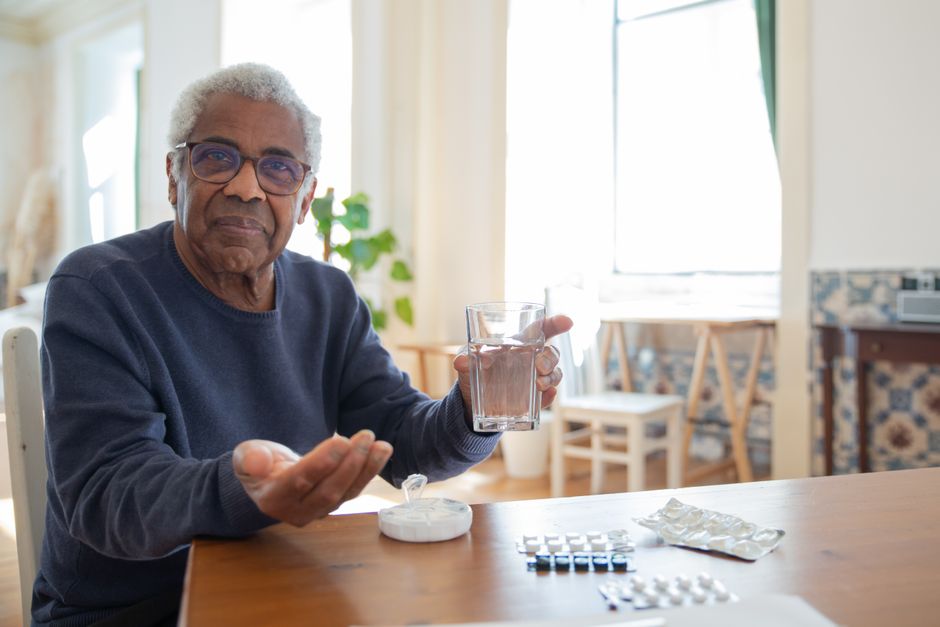
Photo by Kampus Production via Pexels
Frequently Asked Questions
What are the most common reasons for older people quitting GLP-1 drugs?
Older people often quit GLP-1 drugs due to side effects like nausea and vomiting, the complexity of managing multiple medications, and the financial burden of the medication. These factors make it challenging to continue with the treatment without significant adjustments or support.
Are there specific side effects of GLP-1 medications that affect older adults more?
Yes, older adults may experience more pronounced gastrointestinal issues such as nausea and diarrhea. Additionally, they are at a higher risk for dehydration due to these symptoms. It's essential for older adults to manage these side effects under medical supervision.
Can older adults switch to other diabetes medications?
Yes, there are alternative medications available, such as SGLT2 inhibitors and DPP-4 inhibitors, which might be more suitable depending on the individual's health status and needs. Consulting with a healthcare provider is crucial for making informed decisions about switching medications.
How can technology help older adults manage GLP-1 medications?
Technology, like medication tracking apps, can assist older adults in organizing their medication schedules and monitoring side effects. Apps like JellyPal can provide reminders and logs that help manage the complexities of multiple medications.
Is it safe for older adults to stop taking GLP-1 medications abruptly?
Stopping GLP-1 medications should always be done under the guidance of a healthcare provider. Abrupt discontinuation can lead to a return of symptoms or complications, so a healthcare professional should oversee any changes to medication regimens.
Sources and References
[1] Marcum ZA, et al. "Medication Management in Older Adults." Annals of Long-Term Care. 2012. https://www.ncbi.nlm.nih.gov/pmc/articles/PMC3422823/
[2] Alzheimer's Association. "Cognitive Decline in Older Adults." 2023. https://www.alz.org/
[3] Centers for Medicare & Medicaid Services. "Medicare Prescription Drug Coverage." 2023. https://www.medicare.gov/
[4] Nauck MA, et al. "Effects of GLP-1 on Gastrointestinal Motility." Diabetes Care. 2011. https://care.diabetesjournals.org/content/34/Supplement_2/S278
[5] Marso SP, et al. "Liraglutide and Cardiovascular Outcomes in Type 2 Diabetes." N Engl J Med. 2016. https://www.nejm.org/doi/full/10.1056/NEJMoa1603827
[6] American Diabetes Association. "Pharmacologic Approaches to Glycemic Treatment." Diabetes Care. 2023. https://care.diabetesjournals.org/content/46/Supplement_1/S140
Medical Disclaimer
This article is for informational purposes only and does not constitute medical advice. Always consult a healthcare provider for diagnosis and treatment options tailored to your individual needs.

Track your GLP-1 journey
Join thousands using JellyPal to track doses, side effects, and progress — all in one free app.