Cost Considerations for GLP-1 Medications in 2026
Informational only — not medical advice. Key claims are drawn from peer-reviewed research cited at the end of this article. Always consult your healthcare provider.

Track your GLP-1 journey
Join thousands using JellyPal to track doses, side effects, and progress — all in one free app.


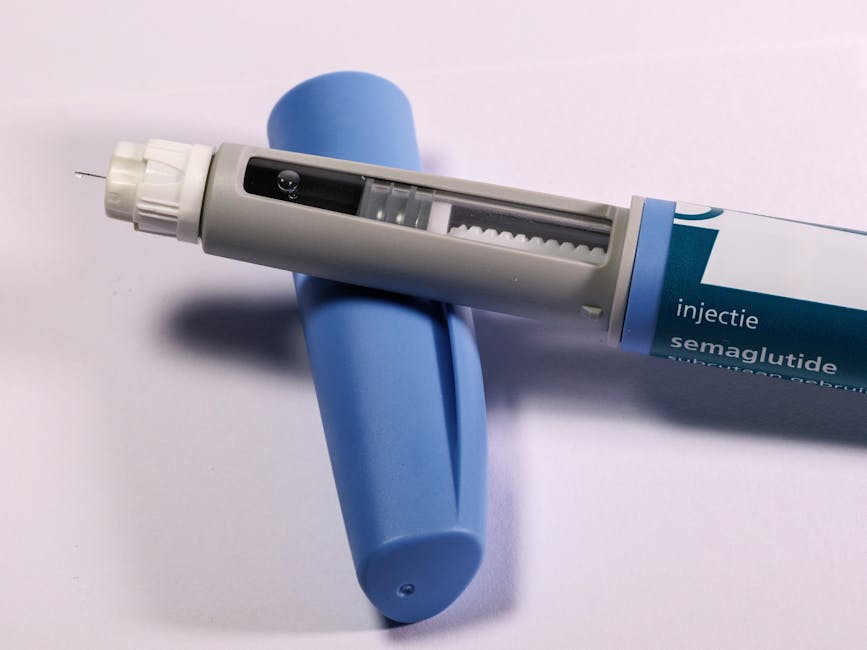
Photo by Haberdoedas Photography via Pexels
Quick Answer
The cost of GLP-1 medications in 2026 is expected to be influenced by factors such as market competition, insurance coverage changes, and ongoing innovation in the pharmaceutical industry. While prices may rise due to increased demand, generic alternatives and improved insurance strategies could help mitigate costs for patients.
Navigating the Current Pricing Landscape
Have you ever wondered why GLP-1 medications, like Ozempic or Wegovy, seem to come with a hefty price tag? It's not just you. The pricing landscape for these medications is a complex web of factors, from manufacturing costs to market dynamics. As of 2023, GLP-1 medications are among the most expensive treatments for diabetes and obesity, with some costing upwards of $1,000 per month without insurance[1]. But why so expensive?
Why Are GLP-1 Medications So Costly?
The high cost of GLP-1 medications can be attributed to several factors. First, the research and development process for these drugs is extensive and costly. Developing a new medication can take years, sometimes decades, and involves numerous clinical trials to ensure safety and efficacy. For instance, the STEP 1 trial for semaglutide involved thousands of participants and significant investment[2].
Additionally, GLP-1 medications are biologics, meaning they are derived from living cells rather than being chemically synthesized. This makes their production more complex and expensive compared to traditional pharmaceuticals. The manufacturing process requires specialized facilities and stringent quality control measures, which add to the overall cost.
Market Dynamics and Pricing
The market dynamics also play a crucial role in pricing. Currently, a few pharmaceutical companies dominate the GLP-1 market, which limits competition and allows them to set higher prices. However, as patents expire and more companies enter the market, competition is expected to increase, potentially driving prices down. But this change isn't happening overnight.
Another factor influencing the cost is the value these medications provide. GLP-1 medications have been shown to significantly improve glycemic control and weight management, leading to better health outcomes for patients. This perceived value allows manufacturers to justify higher prices[3].
Insurance and Out-of-Pocket Costs
For many patients, insurance can be a lifesaver when it comes to affording GLP-1 medications. However, coverage varies widely across different plans. Some patients find themselves paying high out-of-pocket costs despite having insurance. This is often due to formulary restrictions or high deductible plans that require patients to pay a significant portion of the drug cost before insurance kicks in.
Expected Changes in 2026
Looking into the future, what will the cost of GLP-1 medications in 2026 look like? While no one has a crystal ball, there are some trends and developments that could influence pricing.
Increased Competition and Generic Alternatives
One of the most significant changes expected by 2026 is the introduction of generic alternatives. As patents for existing GLP-1 medications expire, other pharmaceutical companies will have the opportunity to produce and market generic versions. These generics are typically priced lower than their brand-name counterparts, which could make GLP-1 medications more accessible to a broader range of patients.
Increased competition from new entrants to the market could also drive down prices. As more companies develop their own GLP-1 medications, the competition could lead to more competitive pricing strategies. This is a common trend observed in the pharmaceutical industry, where increased competition often results in lower prices for consumers.
Advances in GLP-1 Therapy
Another factor that could influence the cost of GLP-1 medications in 2026 is ongoing innovation in the field. Researchers are continually working to improve the efficacy and safety of these medications. New formulations that offer better outcomes or more convenient dosing could command higher prices initially but may also enhance the overall value proposition for patients.
For example, a once-daily formulation might be more expensive than a weekly injection, but the convenience and potential for better adherence could make it worthwhile for many patients. These advancements may also lead to new indications for GLP-1 medications, expanding their use beyond diabetes and obesity.
Policy and Regulatory Changes
Policy and regulatory changes could also impact the cost of GLP-1 medications in 2026. Governments and healthcare organizations are increasingly focused on reducing drug prices and improving access to medications. Initiatives aimed at increasing price transparency and promoting value-based pricing could put downward pressure on the cost of GLP-1 medications.
Moreover, changes in healthcare policy, such as updates to Medicare or Medicaid coverage, could improve access to these medications for certain patient populations. These policy changes are often aimed at reducing the financial burden on patients and ensuring that essential medications are affordable for everyone.
Insurance Coverage and Cost-Saving Tips
Navigating insurance coverage for GLP-1 medications can feel like trying to solve a complex puzzle. But with the right strategies, you can significantly reduce your out-of-pocket costs.
Understanding Your Insurance Plan
The first step in managing the cost of GLP-1 medications is understanding your insurance plan. Familiarize yourself with your plan's formulary, which is the list of medications covered by your insurance. Some plans may cover GLP-1 medications, but they might require prior authorization or step therapy, meaning you must try other medications first.
It's also important to know your plan's deductible, co-payments, and co-insurance rates. These factors will determine how much you pay out of pocket for your medications. If your plan has a high deductible, you may have to pay the full price of the medication until you meet your deductible.
Exploring Patient Assistance Programs
Many pharmaceutical companies offer patient assistance programs to help reduce the cost of GLP-1 medications. These programs provide financial support or discounts to eligible patients, often based on income level. For example, Novo Nordisk, the manufacturer of Ozempic, offers a savings card that can reduce the copay for eligible patients[4].
Additionally, nonprofit organizations and foundations may offer grants or financial assistance to help cover the cost of medications. These resources can be invaluable for patients who are struggling to afford their prescriptions.
Talking to Your Healthcare Provider
Your healthcare provider can also be a valuable resource when it comes to managing the cost of GLP-1 medications. They may be able to recommend alternative medications or dosing strategies that are more affordable. For example, some patients may benefit from using a lower dose of the medication, which can be less expensive.
Your provider can also help you navigate insurance requirements and provide documentation needed for prior authorizations or appeals. Don't hesitate to ask for their assistance in finding the most cost-effective treatment plan for your needs.
using Medication Tracking Apps
Finally, using a medication tracking app like JellyPal can help you stay organized and ensure you're getting the most out of your GLP-1 therapy. These apps can remind you when it's time to take your medication, track your progress, and even help you identify patterns that could lead to cost savings, such as reducing missed doses.

Photo by Pixabay via Pexels
Frequently Asked Questions
Will the cost of GLP-1 medications decrease in 2026?
It's possible that the cost of GLP-1 medications will decrease in 2026 due to increased market competition, the introduction of generics, and policy changes aimed at reducing drug prices. However, ongoing innovation and demand may also influence pricing trends.
How can I reduce my out-of-pocket costs for GLP-1 medications?
To reduce out-of-pocket costs, understand your insurance coverage, explore patient assistance programs, and talk to your healthcare provider about cost-saving options. Using medication tracking apps can also help you maintain adherence and avoid unnecessary expenses.
Are generic versions of GLP-1 medications available?
As of 2023, generic versions of GLP-1 medications are not widely available, but they may enter the market as patents expire. Generics typically offer a lower-cost alternative to brand-name medications.
What should I do if my insurance doesn't cover GLP-1 medications?
If your insurance doesn't cover GLP-1 medications, consider appealing the decision, exploring patient assistance programs, or discussing alternative treatments with your healthcare provider. They may help you find a more affordable option.
How do policy changes affect the cost of GLP-1 medications?
Policy changes can impact the cost of GLP-1 medications by promoting price transparency, encouraging competition, and expanding insurance coverage. These changes aim to make medications more affordable and accessible to patients.
Sources and References
[1] Novo Nordisk. "Ozempic (semaglutide) injection, Prescribing Information." FDA Drugs@FDA. 2021. https://www.accessdata.fda.gov/drugsatfda_docs/label/2021/209637s008lbl.pdf
[2] Wilding JPH, et al. "Once-Weekly Semaglutide in Adults with Overweight or Obesity." N Engl J Med. 2021;384(11):989-1002. https://www.nejm.org/doi/full/10.1056/NEJMoa2032183
[3] Davies M, et al. "Semaglutide 2.4 mg Once a Week in Adults with Overweight or Obesity." JAMA. 2021;325(14):1407-1416. https://jamanetwork.com/journals/jama/fullarticle/2778907
[4] Novo Nordisk. "Savings and Support." NovoCare. https://www.novocare.com/ozempic/savings-card.html
Medical Disclaimer
This article is for informational purposes only and does not constitute medical advice. Please consult your healthcare provider for advice on managing your health and medications.

Track your GLP-1 journey
Join thousands using JellyPal to track doses, side effects, and progress — all in one free app.