GLP-1 Medications and Alcohol: What You Need to Know
Informational only — not medical advice. Key claims are drawn from peer-reviewed research cited at the end of this article. Always consult your healthcare provider.

Track your GLP-1 journey
Track doses, side effects, and progress with JellyPal — all in one free app.


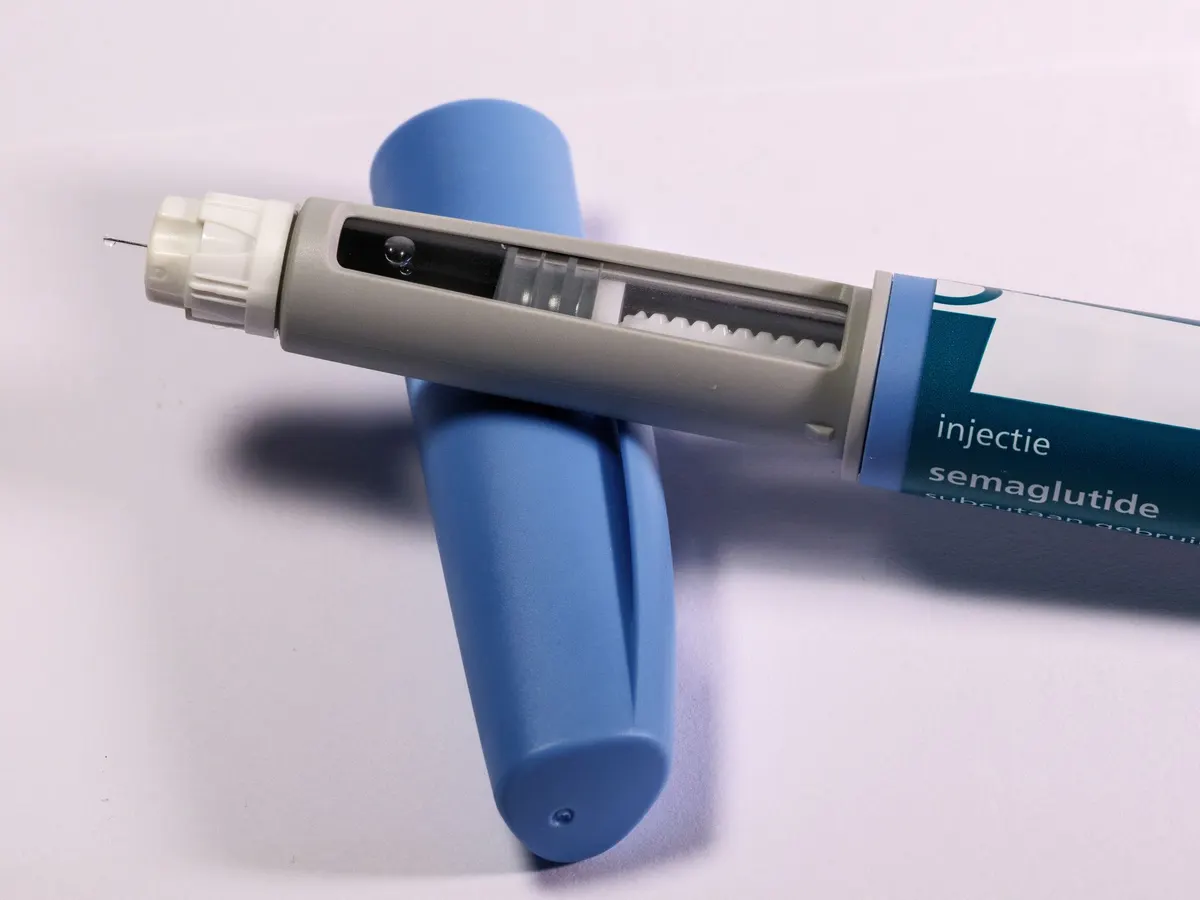
Photo by Haberdoedas Photography via Pexels
Starting a new medication like a GLP-1 can bring up lots of questions about your lifestyle - especially when it comes to social activities. One of the most common concerns? Whether you can enjoy a glass of wine or cocktail while taking these medications. Let's break down everything you need to know about alcohol and GLP-1 medications to help you make informed decisions about drinking.
Understanding the Basics of GLP-1s and Alcohol
GLP-1 medications like Ozempic, Wegovy, and Mounjaro work by slowing down your digestion and affecting how your body processes nutrients. Think of them as traffic controllers for your digestive system, carefully managing the flow of food and drinks through your body. When alcohol enters the picture, things can get a bit more complicated.
Safety First: Key Considerations
The good news? There's no absolute prohibition on mixing alcohol and GLP-1 medications[1]. However, there are some important factors to consider before you raise that glass:
- Your stomach empties more slowly on GLP-1s, which can affect how alcohol is absorbed
- In one small 2025 study, people on GLP-1 medications had a slower rise in breath alcohol and felt its effects later than people not taking them[2]
- Feeling the effects later can make it easy to drink more than you planned
- Blood sugar management can become trickier
Photo by Mikhail Nilov via Pexels
How GLP-1s Affect Your Alcohol Tolerance
Remember how these medications slow down your digestion? This means alcohol may reach your bloodstream more slowly than usual, potentially leading to:
- Feeling the effects later than you expect
- Unexpected reactions to your usual drinks
Impact on Medication Effectiveness
Does having a drink cancel out your GLP-1 medication? Not exactly, but there are some interactions to keep in mind. There is little research on whether moderate drinking changes how well GLP-1 medications work. However, excessive drinking can:
- Interfere with blood sugar control
- Lead to poor food choices
- Potentially increase side effects
Smart Social Drinking Tips
Want to enjoy social occasions while taking GLP-1s? Here are some practical strategies:
- Start with half your usual amount of alcohol
- Alternate between alcoholic drinks and water
- Eat something before drinking
- Choose lower-alcohol options
- Listen to your body - it might respond differently than before
- Have a designated driver - alcohol may affect you differently than expected
Recommended Limits
Health experts agree that drinking less is better for your health. If you do drink while on a GLP-1 medication, it's sensible to stay at or below these traditional limits:
- Women: No more than 1 drink per day
- Men: No more than 2 drinks per day
- Consider having alcohol-free days each week
Managing Special Occasions
Special events don't have to be stressful. Try these approaches:
- Plan ahead for important celebrations
- Communicate with friends about your choices
- Keep track using apps like JellyPal to monitor how alcohol affects you
- Have backup strategies ready (like mocktails)
Sources and References
[1] Novo Nordisk. "OZEMPIC (semaglutide) injection: Prescribing Information." Section 4, Contraindications. DailyMed. https://dailymed.nlm.nih.gov/dailymed/drugInfo.cfm?setid=adec4fd2-6858-4c99-91d4-531f5f2a2d79
[2] Quddos F, et al. "A preliminary study of the physiological and perceptual effects of GLP-1 receptor agonists during alcohol consumption in people with obesity." Sci Rep. 2025;15(1):32385. https://doi.org/10.1038/s41598-025-17927-w
Medical Disclaimer
This article is for informational purposes only and does not constitute medical advice. Always consult your healthcare provider about alcohol consumption while taking GLP-1 medications, as individual circumstances may vary. Your doctor can provide personalized recommendations based on your specific medical history and current health status.

Track your GLP-1 journey
Track doses, side effects, and progress with JellyPal — all in one free app.